How to Ice Fish for Walleye on Oneida Lake
There's nothing quite like the crisp, silent air of a New York winter morning, drilling holes in the hard water, and then feeling that unmistakable thud on your line that signals a hefty walleye. But let's be real, ice fishing for walleye on a vast lake like Oneida isn't always as simple as it sounds; it can be incredibly frustrating to sit over a hole for hours with no action, wondering if you're even in the right spot or using the right bait. This guide is here to cut through that frustration, offering proven strategies and essential knowledge to help you consistently connect with walleye through the ice on Oneida Lake.
Understanding Oneida Lake and Its Walleye Dynamics in Winter
Oneida Lake, often touted as New York’s largest inland lake, is a true gem for anglers, especially those chasing walleye through the ice. What makes Oneida so special for winter walleye isn't just its size, but its unique ecosystem and geography that create ideal conditions for these toothy predators. Unlike some deeper, colder lakes, Oneida is relatively shallow with an average depth of around 22 feet, allowing sunlight to penetrate further and fostering a rich food chain even in the dead of winter. This means walleye often remain active and accessible throughout the ice fishing season.
The lake’s bottom structure is a mix of rock, gravel, and weed beds, with numerous shoals, humps, and drop-offs that act as natural highways and feeding grounds for walleye. Identifying these subtle transitions under the ice is half the battle, as walleye are creatures of structure and current. They'll often cruise along these features, ambushing baitfish like yellow perch and gizzard shad. Understanding their winter behavior is paramount; while they might slow down compared to summer, they definitely don't stop feeding. Often, the early morning and late afternoon/evening hours provide the most consistent bites, but opportunistic walleye can be caught throughout the day, especially if you're over an active feeding zone. If you're looking for more general ice fishing information, our Ice Fishing in New York: A Complete Guide offers a great foundation.
Essential Gear and Electronics for Oneida Walleye
Heading out onto the ice for Oneida Lake walleye without the right gear is like showing up to a dinner party without a fork – you'll be missing out! Your equipment needs to be tailored to the conditions and the target species. We're talking about robust setups that can handle the cold, detect subtle bites, and bring up a good-sized walleye from under the ice.
Rods, Reels, and Line Selection
For walleye, you'll want a medium-light to medium power ice fishing rod, typically in the 28 to 36-inch range. The key here is a sensitive tip to detect those often-light walleye bites, coupled with enough backbone to set the hook and fight a strong fish. Pair this with a good quality spinning reel, size 1000 to 2000, that has a smooth drag system. Remember, your drag needs to be reliable in freezing temperatures.
When it comes to line, many experienced anglers on Oneida opt for a main line of 8 to 10-pound test braided line. The no-stretch property of braid is fantastic for sensitivity and hook sets, especially in deeper water. However, walleye in clear water can be line-shy, so it's crucial to tie on a 6 to 8-pound test fluorocarbon leader, typically 3 to 5 feet long. Fluorocarbon is nearly invisible underwater and holds up well against sharp walleye teeth. You can find a fantastic selection of these on Amazon, often with great deals.
Shelters, Heaters, and Comfort
Let's face it, New York winters can be brutal. A comfortable angler is a more patient and effective angler. A portable ice shelter – whether a flip-over shanty or a hub-style tent – is almost a necessity for extended periods on the ice, especially with family. It protects you from the wind, snow, and keeps you considerably warmer. A small, portable propane heater inside your shelter makes a world of difference. Always ensure proper ventilation when using a heater in an enclosed space.
Don't forget the small comfort items: warm, waterproof boots, layered clothing, a good pair of gloves, and perhaps a comfortable bucket seat or chair. Frostbite and hypothermia are real threats, and preparing for them means you can focus on fishing longer. From portable heaters to specialized ice fishing electronics, Amazon has a wide array of products to keep you warm and fishing.
The Power of Electronics
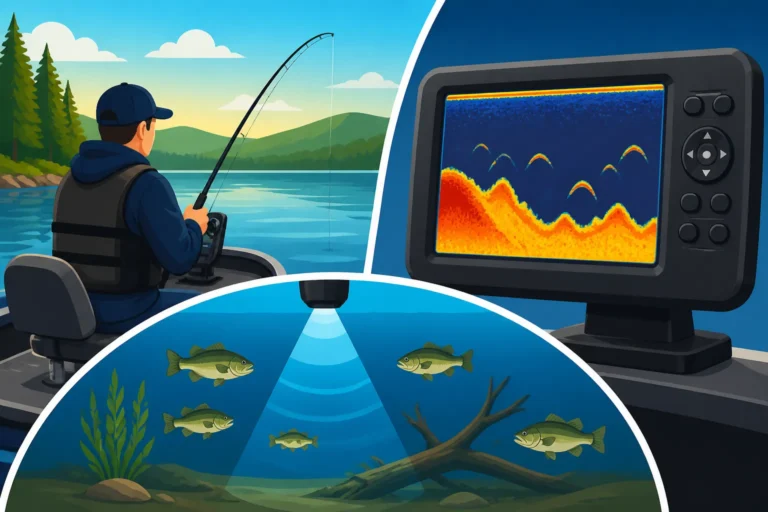
In modern ice fishing, electronics aren't just a luxury; they're a game-changer, especially for walleye. A good flasher or a fish finder is your window into the underwater world. These devices allow you to see your lure, detect fish approaching it, and observe how they react. This real-time feedback lets you adjust your presentation instantly.
For Oneida Lake's diverse structure, a GPS-enabled fish finder or a dedicated GPS unit is also invaluable. It helps you navigate to specific humps, drop-offs, or historical hot spots you've marked. Many anglers also use underwater cameras, which can be fascinating for observing fish behavior and identifying baitfish or structure that your flasher might miss. Understanding how to use these tools effectively is covered more broadly in our guide on How to Ice Fish for Walleye in New York.
Safety on the Ice
Safety should always be your number one priority. New York winters are unpredictable, and ice conditions can vary dramatically even within a small area of Oneida Lake. Always carry ice picks (spikes), which hang around your neck and can help you pull yourself out of the water if you fall through. A throwable flotation device and a length of rope are also wise additions to your safety kit. Always fish with a buddy, and let someone know your plans and expected return time. Check out How Thick Does Ice Need to Be to Fish Safely? for crucial information on ice safety before you even step foot on the lake.
Mastering Walleye Ice Fishing Techniques on Oneida Lake
Catching walleye through the ice on Oneida Lake isn't just about showing up with the right gear; it's about understanding and applying effective techniques. Walleye can be finicky, and sometimes a slight change in your presentation or bait can make all the difference between a slow day and a banner day.
Jigging for Active Walleye
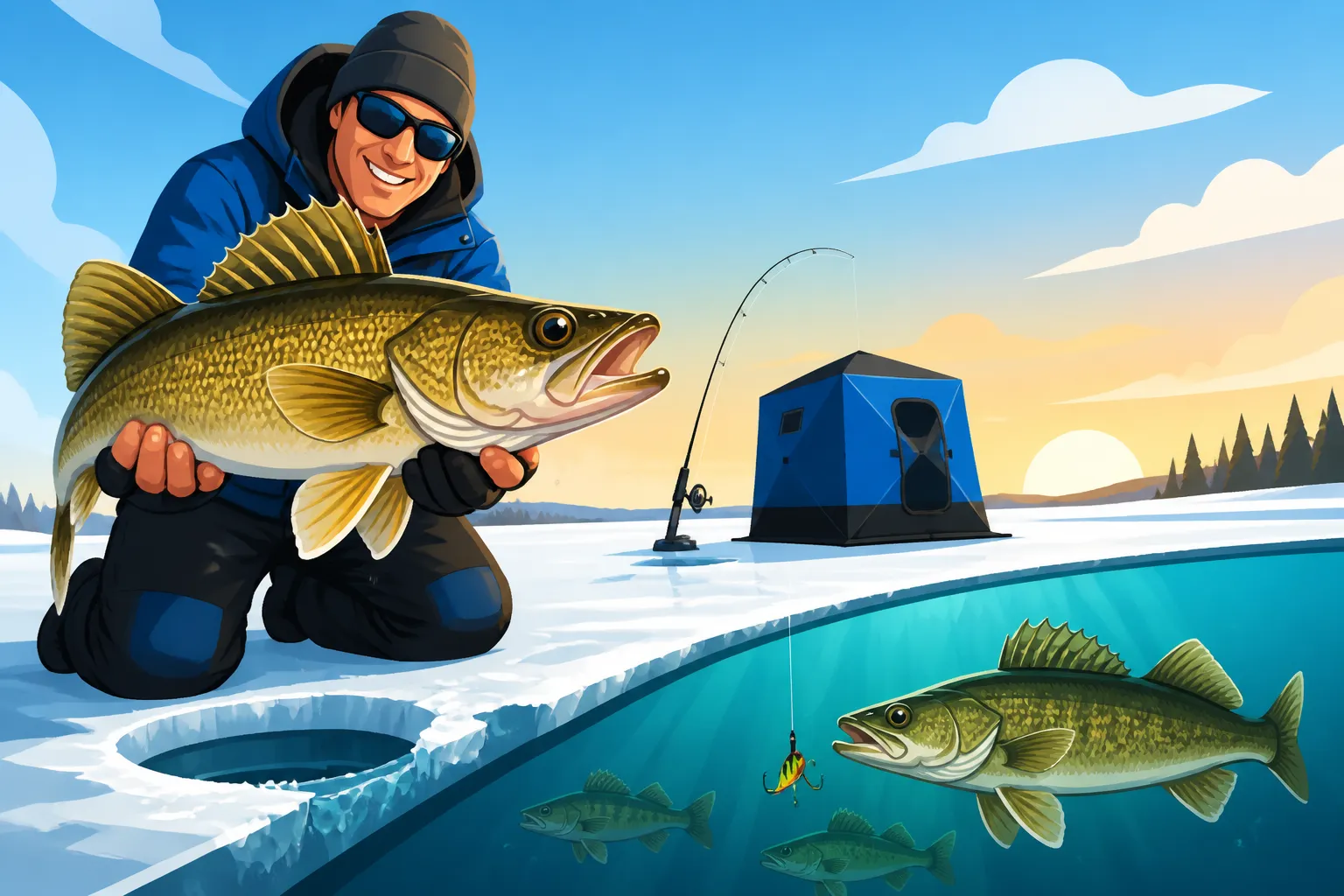
Jigging is arguably the most popular and often most effective method for active walleye under the ice. This technique involves using a rod to impart action to a lure, mimicking a struggling baitfish.
- Blade Baits: These are thin, metal lures that vibrate intensely on the lift and flutter on the fall. They create a lot of commotion, which can call in walleye from a distance. A sharp jigging motion with a 6-12 inch lift, followed by a controlled fall, often triggers a strike. Favorites include the classic Heddon Sonar or something similar.
- Jigging Spoons: Metal spoons with a treble hook, these lures flutter and flash on the fall. Tip them with a small piece of minnow head or a single minnow eye for added scent and appeal. Gold, silver, and glow-in-the-dark spoons are excellent choices, especially in stained water. To learn more about specific lure choices, check out our insights on Best Walleye Jig Colors for Stained Water.
- Soft Plastics/Paddle Tails: Increasingly popular, soft plastics rigged on a lead head jig can be incredibly effective, especially when walleye are a bit more lethargic. Small paddle tails or grub bodies in natural colors (perch, smelt) or bright "glow" patterns can entice bites. The key here is a subtle jigging motion, often just quivering the lure or making short, gentle lifts.
When jigging, pay close attention to your electronics. Watch how fish react to your presentation. If they approach but don't commit, try changing your jigging cadence, lure color, or size. Sometimes, simply letting the lure sit perfectly still for 10-15 seconds after a few jigs is what triggers the bite. A deeper dive into specific techniques can be found in How to Jig for Walleye.
Tip-Ups and Live Bait Strategies
While jigging targets active fish, tip-ups are fantastic for covering more water and enticing less aggressive walleye with live bait. A typical setup involves a larger minnow – golden shiner, emerald shiner, or fathead minnow – hooked lightly through the back or lips, suspended a foot or two off the bottom or near suspended structure.
- Placement: Spread your tip-ups out across different depths and structural elements. Oneida Lake has a lot of diverse bottom contours, so try placing some on top of humps, some along the edges of drop-offs, and others over flats where walleye might be cruising. Remember to check local regulations on How Many Fishing Rods Can I Use at Once to ensure you're compliant with the number of lines allowed.
- Bait Presentation: Keep your live bait lively. Change out sluggish minnows. The natural struggling motion of a live minnow is often irresistible to walleye. Set your flag sensitivity so it triggers easily, but not so easily that it's constantly going off with every minnow twitch.
- The Waiting Game: Patience is key with tip-ups. Walleye often "mouth" the bait before swallowing, so resist the urge to set the hook immediately when the flag goes up. Let them run with it for a few seconds, allowing them to fully commit.
Combining jigging rods and tip-ups is a deadly strategy. You can actively fish one or two jigging rods, moving from hole to hole, while your tip-ups passively fish broader areas, alerting you to fish cruising through.
Strategic Hole Hopping
Oneida Lake is huge, and walleye are constantly on the move, searching for food. Don't be afraid to be mobile. Drilling a pattern of holes across a structural element – say, a humps or a break line – and moving from hole to hole is called "hole hopping." Spend 10-15 minutes at each hole. If you don't see any activity on your electronics or get any bites, move on to the next.
This aggressive approach is particularly effective in locating schools of actively feeding walleye. The best ice anglers are often those who are willing to put in the work, drilling dozens of holes throughout the day until they find what they're looking for. Always be mindful of changing ice conditions when moving around a lot.
Locating Walleye and Timing Your Efforts on Oneida Lake
Finding walleye on a large body of water like Oneida under a sheet of ice can feel like searching for a needle in a haystack. But with a strategic approach to understanding fish behavior, reading the lake, and timing your efforts, you can significantly increase your chances of success.
Identifying Key Structures and Depths
Walleye are structure-oriented fish, and this holds true in winter. On Oneida Lake, look for:
- Deep Reefs and Humps: These underwater islands often hold baitfish and, consequently, walleye. Focus on the edges of these structures, where walleye will ambush prey moving up or down. Popular areas on Oneida include Shackelton Shoals, Messinger Shoals, and various unnamed humps.
- Breaklines and Drop-offs: These are sharp changes in depth. Walleye will patrol these transition zones, using them as travel corridors and feeding lanes. Look for areas where a shallow flat suddenly drops into deeper water.
- Weed Edges: While many weeds die off in winter, some hardy species like cabbage weeds can remain green, providing cover and oxygen for baitfish. Walleye will often stage along the edges of these remaining weed lines.
- Mud Flats and Soft Bottoms: While walleye often prefer hard bottom, they will move onto softer, muddier flats, especially if there's a good population of benthic invertebrates or buried baitfish.
Your GPS unit, combined with detailed lake maps, will be your best friend for pinpointing these structures. Mark anything that looks promising during open water season, then return to those spots for ice fishing. Our comprehensive Oneida Lake Walleye Fishing Guide can help you identify some of these key areas.
Using Your Electronics to Pinpoint Fish
Once you've identified a promising structural element, your flasher or fish finder becomes critical. Drill several holes around the structure, then use your electronics to:
- Detect Fish: Look for arches or lines on your screen that indicate fish. Walleye often appear as strong, distinct marks.
- Gauge Depth: Confirm the exact depth you're fishing and how it relates to the structure.
- See Your Lure: Observe your jig or bait in relation to the fish. This is invaluable. Are fish coming up to inspect it? Are they ignoring it? Are they hitting it subtly without you feeling it? Adjust your presentation based on what your screen tells you.
- Identify Baitfish: Sometimes you'll see clouds of smaller marks, indicating baitfish. Walleye are often not far behind.
The Best Times to Target Oneida Walleye
Walleye fishing, especially through the ice, often follows predictable patterns, though there are always exceptions. Understanding the prime windows can make your efforts much more productive.
- Dawn and Dusk: These are classic walleye feeding times, and winter is no different. The low light conditions give walleye a predatory advantage, making them more active. Be on the ice and have your lines down before sunrise, and stay until after sunset.
- Low-Light Days: Overcast or snowy days can often extend the prime feeding windows throughout the day, as the low light mimics dawn/dusk conditions.
- Frontal Systems: Just before a major cold front moves in, the bite can be excellent as fish feed aggressively. Conversely, fishing during and immediately after a strong cold front can be tough, as fish often become lethargic.
- Moon Phases: While anecdotal for some, many experienced anglers believe moon phases can influence walleye activity. The days around a full or new moon are often cited as prime times. For general insights into timing your fishing trips, refer to Best Time of Day to Fish in New York.
| Factor | Impact on Oneida Walleye Ice Fishing | Strategy |
|---|---|---|
| Depth | Walleye move between shallow (feeding) and deeper (resting) areas; average 15-30 ft on Oneida. | Fish edges of humps/drop-offs; explore varying depths (10-40 ft). |
| Structure | Reefs, humps, weed lines, breaklines are key ambush points. | Utilize GPS and lake maps to locate and target these features. |
| Time of Day | Classic low-light periods (dawn, dusk) are peak activity; midday can be slow. | Be on the ice early and stay late; don't overlook midday if overcast. |
| Weather | Pre-front often good; post-front tough; overcast/snowy days can extend bite. | Monitor forecasts; adjust tactics (slower presentations post-front). |
| Baitfish Presence | Walleye follow their food source (perch, shad). | Use electronics to locate bait schools; fish nearby. |
| Ice Thickness | Varies greatly; crucial for safety and access. | ALWAYS check ice thickness regularly; use proper safety gear. |
Remember to always adhere to New York fishing regulations, including catch limits and season dates. You can find specific details on the Walleye Daily Limit in New York and New York Walleye Season Dates to ensure you're fishing legally.
Ice fishing for walleye on Oneida Lake is a rewarding experience, but it takes preparation, persistence, and a willingness to adapt. By understanding the lake, gearing up properly, employing proven techniques, and strategically locating your target, you'll be well on your way to enjoying some fantastic winter walleye action. Good luck out there, and stay warm!
Disclaimer
This article is for general informational purposes only and does not constitute professional advice. Laws, prices and regulations vary by location and change over time. Consult a qualified professional for guidance on your specific situation.