How to Fish for Landlocked Salmon
Catching landlocked salmon in New York waters can feel like chasing a ghost – they're notoriously elusive, powerful, and demand a specific approach. Many anglers spend years trying to crack the code, often frustrated by empty creels and unanswered bites. But don't give up! This guide is designed to demystify the pursuit of these magnificent fish, offering proven strategies, gear recommendations, and insights into their behavior to significantly improve your chances of success in the Empire State.
Understanding Landlocked Salmon in New York
Before we even cast a line, it's crucial to understand what makes landlocked salmon tick. They are, after all, a unique subspecies with specific needs and habits, and knowing these can be the difference between a productive day and a scenic boat ride.
What Makes Landlocked Salmon Unique?
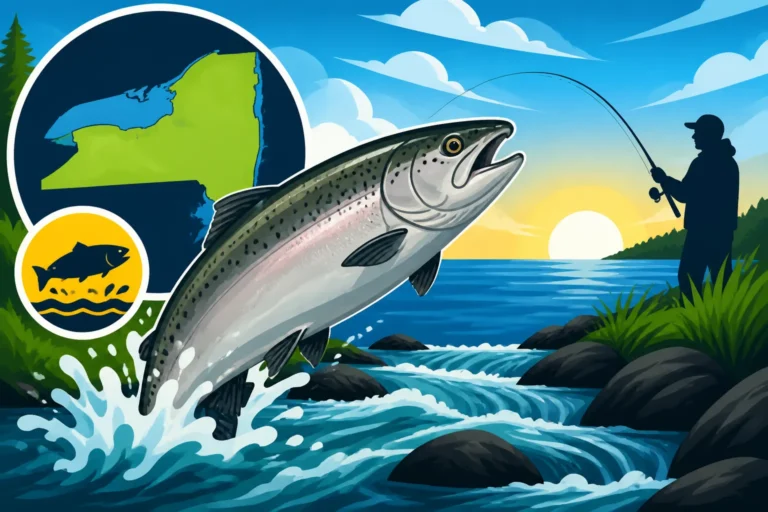
Landlocked salmon, often referred to simply as "landlocks," are truly fascinating fish. Genetically, they are Atlantic salmon, but they've adapted to live their entire lives in freshwater lakes, completely cut off from the ocean. This gives them a distinct set of behaviors compared to their anadromous cousins. They retain that torpedo-like body, iridescent silver flanks, and powerful fight that salmon are known for, but they're conditioned to the freshwater food chain. They rely heavily on baitfish like alewives, smelt, and even juvenile perch or shiners, which dictates where and when you'll find them. Their life cycle, including spawning runs, also occurs entirely within freshwater systems, often involving migrations up tributary rivers. It's this unique blend of salmonid power and freshwater adaptation that makes them such a prized catch in New York. They truly test an angler's skill and patience.
One common misconception is confusing them with other salmon species found in New York, like Chinook or Coho, which are Pacific salmon primarily stocked in the Great Lakes. Landlocked salmon are a different beast, requiring a slightly different approach. While all salmon are strong fighters, the landlock's freshwater diet and habitat preferences mean your tactics for finding and enticing them will differ. They are also often less tolerant of warmer water temperatures than some other game fish, preferring cooler, oxygen-rich depths during the summer months. This sensitivity to water temperature is a critical factor for successful targeting, as they will follow the thermocline, or cold-water layer, throughout the warmer seasons.
Where to Find Them: Key New York Waters
New York is blessed with several fantastic fisheries for landlocked salmon, though they are not as widespread as, say, bass or panfish. When you're dreaming of a silver flash, your thoughts should immediately turn to the deeper, colder lakes that can sustain them and their primary forage. The most prominent and popular destinations are undoubtedly the Finger Lakes, particularly lakes like Cayuga, Seneca, and Keuka, which offer vast expanses of deep, clear water perfect for these elusive fish. These deep troughs provide the cold, oxygenated water salmon need, along with robust populations of alewives and other baitfish. If you're looking for more specific guidance on these waters, our comprehensive guide to New York's Finger Lakes Fishing Guide can provide a deeper dive into what each lake offers.
Beyond the Finger Lakes, Lake Champlain, shared with Vermont, is another premier landlocked salmon fishery, known for its healthy, strong populations. You'll also find smaller, yet productive, opportunities in various reservoirs and smaller lakes across the state, often sustained by stocking programs. The New York State Department of Environmental Conservation (DEC) carefully manages these populations, often stocking juvenile salmon to maintain healthy numbers for anglers. Always check the DEC's stocking reports and specific lake regulations before heading out. Knowing the Fish Species Found in the Finger Lakes can also give you a broader understanding of the ecosystem you'll be fishing in. It’s not just about knowing where they are, but why they are there – the combination of deep, cold water and abundant baitfish is key.
Optimal Seasons and Conditions
Timing is everything when it comes to landlocked salmon. While you can technically pursue them year-round in some locations, certain seasons offer significantly better odds due to their feeding patterns and migratory habits. Generally, the cooler months of spring and fall are prime time. In spring, after the ice recedes, landlocks are often found higher in the water column and closer to shore, gorging on baitfish that are also moving into warmer, shallower areas to spawn. This is a fantastic window for both trolling and casting from shore or small boats. The water temperatures are ideal, typically in the 40s and low 50s Fahrenheit, which activates their metabolism and feeding drive.
As summer progresses, the surface waters warm up dramatically, forcing landlocked salmon deeper, usually below the thermocline where temperatures remain in their preferred range (often 50-60°F). This means deep trolling becomes the predominant method. Fall brings another surge of activity as water temperatures cool again, and salmon begin their pre-spawn migrations. This is when you might find them concentrating near river mouths or heading upstream into tributaries, offering exciting opportunities for targeting them with traditional stream-fishing methods. For a detailed breakdown of specific timings, you might want to check out our article on the Best Season for Landlocked Salmon on New York's Finger Lakes. Understanding the impact of changing weather and water conditions is crucial; a sudden cold front or prolonged warm spell can drastically alter their location and feeding habits, so keeping an eye on water temperature gauges and local fishing reports is always a smart move. Our Best Time of Year to Fish in New York guide offers more general insights into seasonal fishing patterns.
Essential Gear and Tackle for Landlocked Salmon
Fishing for landlocked salmon isn't like casting for sunfish. These are powerful, fast-swimming predators, and your gear needs to be up to the task. Skimping on tackle will lead to heartbreak in the form of snapped lines and lost fish. Investing in quality equipment pays dividends in landing these magnificent sport fish.
Rods, Reels, and Line Selection
For trolling, which is often the most effective method for finding landlocked salmon in open water, you'll want medium to medium-heavy action rods, typically 7 to 8.5 feet long. These longer rods help spread your lines out and absorb the shock of a powerful strike. Paired with these, a good quality baitcasting or line-counter trolling reel is essential. Line-counter reels are particularly helpful as they allow you to precisely replicate successful depths. When it comes to line, a strong, low-stretch monofilament in the 10-15 lb test range is a good all-around choice for trolling, especially if you're using downriggers or planer boards. Some anglers prefer braided lines for their sensitivity, often backing their reels with braid and adding a monofilament or fluorocarbon leader. You can find excellent options for these setups on Amazon, often with bundles that combine rods and reels, making it easier to get started.
If you're planning to cast from shore or fish in tributaries during a run, a medium-light to medium action spinning rod, 6.5 to 7.5 feet, with a matching spinning reel, will be more appropriate. Spool this with 6-10 lb test fluorocarbon or monofilament line. Fluorocarbon is a great choice because it's nearly invisible underwater, which can be critical for finicky salmon in clear water, and it has less stretch than mono, providing better feel. Remember, the goal is not just to cast far, but to have enough backbone to handle a hard-fighting fish and enough sensitivity to detect subtle bites. Don't forget a good quality drag system on your reel – it's your best friend when a landlock decides to make a blistering run!
Lures, Baits, and Flies That Work
Landlocked salmon are primarily piscivores, meaning they eat other fish, so your lure selection should reflect this. Spoons are absolute staples. Classic designs like Sutton, Mooselook Wobblers, and various trolling spoons in silver, blue/silver, or perch patterns are highly effective. These mimic fleeing baitfish with their erratic wobbling action. Stickbaits, both shallow and deep-diving models, are also incredibly popular, especially patterns that imitate alewives, smelt, or shiners. Names like Rapala, Yo-Zuri, and Bomber are often on the list of go-to brands. Size matters, so carry a variety from 3 to 6 inches to match the forage in your target lake. When looking for a wide array of proven lures, Amazon is a convenient place to browse different brands and color patterns that mimic local baitfish.
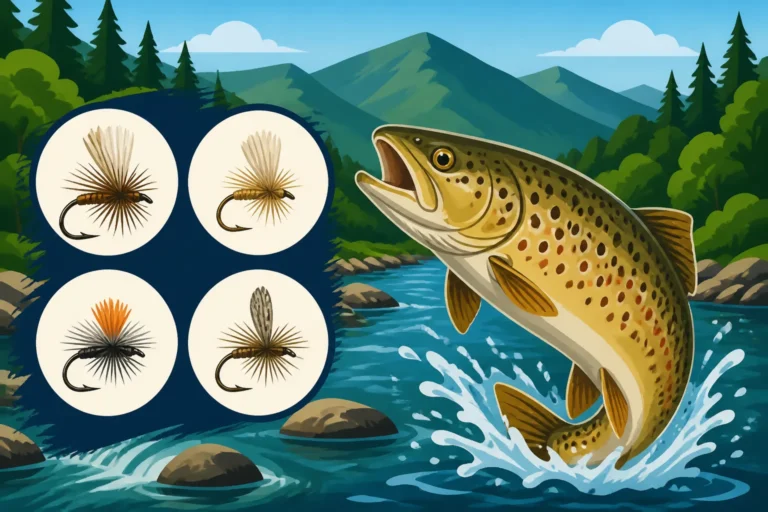
For natural bait, live smelt or alewives, if legal and obtainable, can be deadly when still-fished or slow-trolled. Always check local regulations regarding the use of live bait and baitfish possession. Some anglers also have success with dead bait rigs, especially during slower periods. Fly fishing for landlocked salmon, while challenging, is incredibly rewarding, particularly during tributary runs or in certain lake conditions. Popular fly patterns include streamer patterns like Grey Ghost, Black Ghost, Smelt patterns, and various Zonkers, which imitate baitfish. Nymphs and wet flies can also produce when salmon are feeding on aquatic insects, although this is less common than their baitfish diet. Having a diverse tackle box that covers both artificial and natural options gives you the flexibility to adapt to changing conditions and salmon preferences.
Terminal Tackle and Accessories
Beyond your rods and reels, a collection of essential terminal tackle and accessories will complete your landlocked salmon setup. Start with leaders: a good quality fluorocarbon leader in 8-12 lb test, usually 6-10 feet long, is vital. Its invisibility and abrasion resistance provide a stealthy connection to your lure while offering protection against sharp fins and teeth. Swivels, specifically ball-bearing swivels, are crucial to prevent line twist, especially when trolling spoons or stickbaits that can spin. Small, strong snaps or snap-swivels allow for quick lure changes.
Don't forget the tools of the trade: a long-handled landing net with rubberized mesh is non-negotiable for safely landing and releasing these active fish, minimizing harm. Pliers or a dehooker are essential for quickly removing hooks. If you're trolling, a good quality fish finder/depth sounder is your most valuable asset, helping you locate baitfish schools, structure, and the thermocline where salmon will be holding. Downriggers and planer boards are often indispensable for deep-water trolling or spreading multiple lines, respectively. Finally, a cooler with ice is vital for keeping any harvested fish fresh, and a valid New York Fishing License Guide is, of course, absolutely required before you even think about hitting the water.
Proven Techniques for Catching Landlocked Salmon
Now that you're geared up, let's talk tactics. Landlocked salmon fishing often requires patience, persistence, and a willingness to adapt your approach based on conditions and fish behavior. There's no single magic bullet, but a combination of proven techniques will increase your odds.
Trolling Strategies
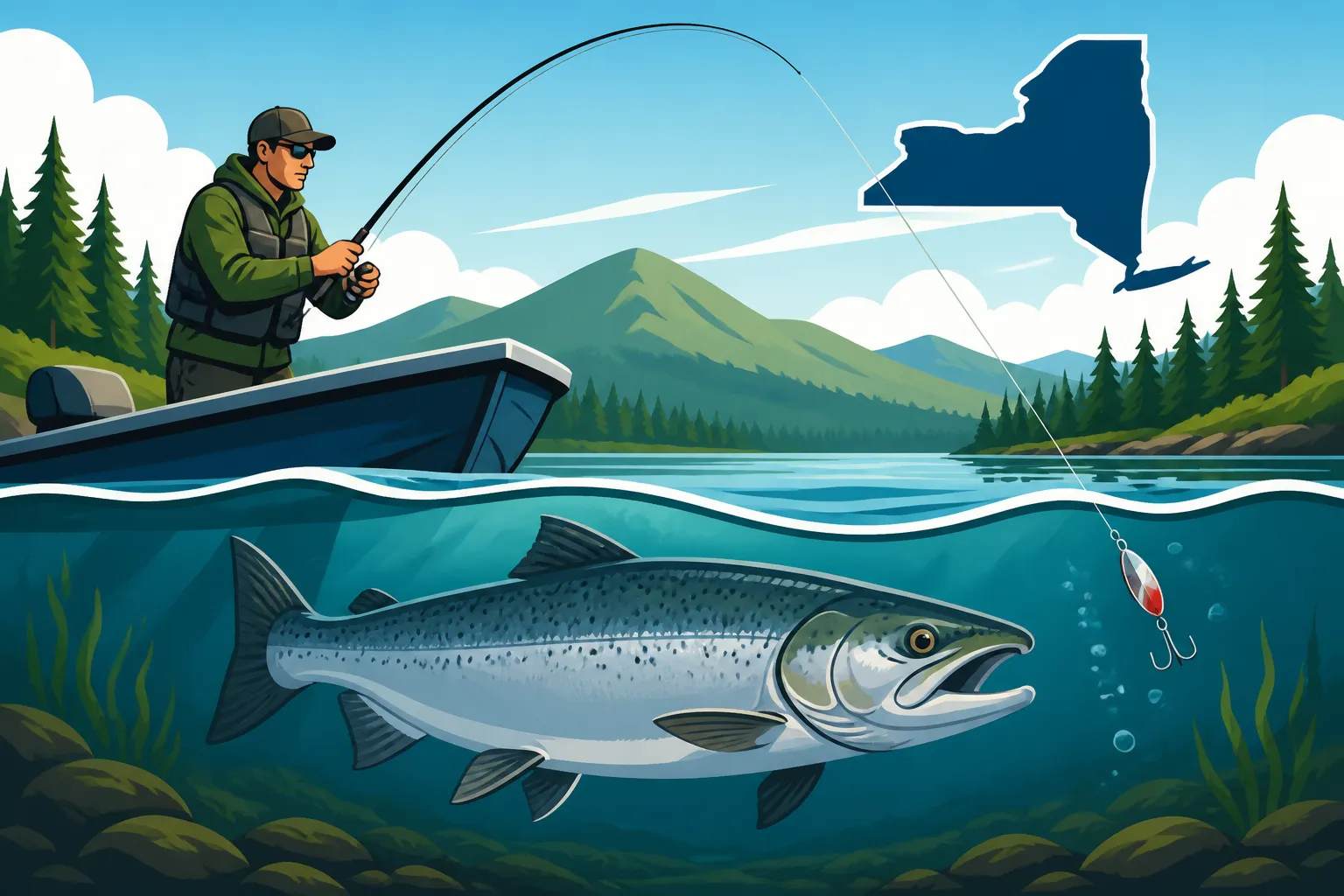
Trolling is arguably the most consistent and effective method for targeting landlocked salmon, especially in the larger, deeper lakes where they roam. The goal is to cover water, present your lure at the correct depth, and match the speed and action of the baitfish they are feeding on. Using downriggers is a game-changer for precise depth control, allowing you to present spoons or stickbaits right in the salmon's feeding zone, often along the thermocline. Pay close attention to your fish finder to mark bait schools and individual salmon. Setting your lures just above or within a bait ball can trigger aggressive strikes. For more on this, you might find our guide on How to Downrig for Lake Trout helpful, as many of the principles apply to landlocked salmon as well.
Vary your trolling speed and direction. Salmon are often triggered by a change in speed or a sudden turn, which can make your lure dart like a panicking baitfish. Experiment with speeds between 1.5 to 3.5 mph until you find what works. Planer boards are excellent for spreading out multiple lines, covering a wider swath of water and keeping your lures away from the boat, which can spook wary fish in clear conditions. Flat-lining, simply letting a lure out behind the boat without any additional weight, can also be effective, particularly in spring or fall when salmon are higher in the water column. Consider incorporating dipsey divers or lead core line to get lures down to intermediate depths without the need for downriggers. Our comprehensive guide to Trolling Techniques for New York's Lakes provides an even deeper dive into these methods.
Shore and Stream Fishing
While trolling dominates, don't discount shore and stream fishing, especially during specific times of the year. In the early spring, as lake temperatures are still cool, landlocked salmon will often cruise shallower waters closer to shore, pursuing baitfish. This is a fantastic opportunity for casting spoons, stickbaits, or even heavy inline spinners from points, docks, or public access areas. Focus on areas where there's a quick drop-off into deeper water, or where current might concentrate bait. Dawn and dusk are often the most productive times for this approach.
During the fall spawning run, landlocked salmon will migrate from the main lakes into tributary rivers and streams to spawn. This offers thrilling opportunities for wade fishing, especially for fly anglers. Casting streamers that imitate baitfish or egg patterns can be highly effective. Spin anglers can use small spoons, spinners, or even float-fished roe sacs. Remember that during these sensitive spawning periods, ethical angling practices are paramount, including careful handling and respecting spawning beds. Always consult the New York Freshwater Fishing Rules for specific tributary regulations, as these can be highly localized and change frequently. For those keen on fly fishing, our guide on How to Fly Fish in New York can set you up with the basics needed for this exhilarating challenge.
Ice Fishing for Landlocked Salmon
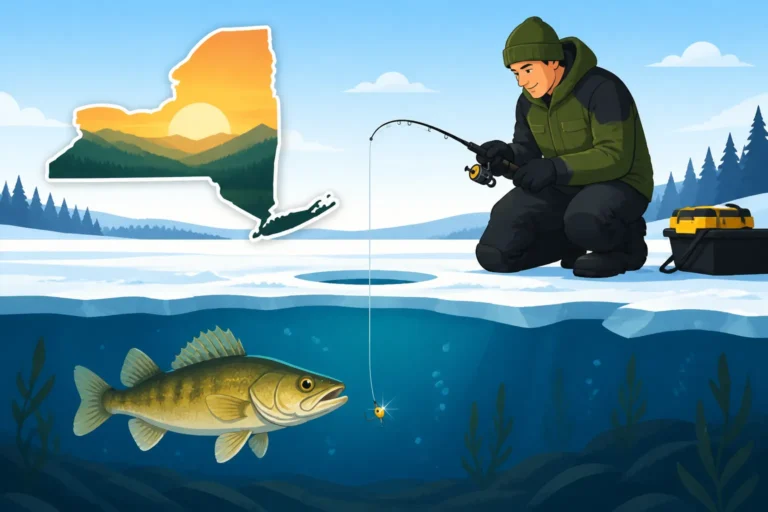
Yes, you absolutely can ice fish for landlocked salmon in New York! While perhaps not as common as targeting perch or walleye through the ice, it offers a unique and exciting winter challenge. The key is to find lakes with healthy populations that are safe to ice fish. Much like open water, deep, clear lakes are your best bet. Landlocks will often suspend in the water column, so you'll need electronics like a flasher or fish finder to pinpoint their depth and track your lure. Jigging spoons, blade baits, or small swimming lures tipped with a piece of bait are popular choices. You can also set up tip-ups with live or dead bait, such as smelt, suspended at various depths.
Patience is key with ice fishing for salmon, as they can be finicky. Keep moving and drilling holes until you find active fish. Focus on structure like submerged humps, points, and channel edges that provide cover and access to baitfish. Safety on the ice is paramount; always check ice thickness and conditions before venturing out. For a thorough understanding of winter angling, consult our comprehensive guide to Ice Fishing in New York: A Complete Guide. And if you're specifically interested in targeting trout through the ice, many techniques translate directly to landlocked salmon, so How to Ice Fish for Trout could also be a valuable read. It's a different world under the ice, but the reward of a powerful landlock surging against your line is worth the effort!
Reading the Water and Maximizing Your Chances
Consistent success in landlocked salmon fishing isn't just about having the right gear or knowing the techniques; it's about understanding the water you're fishing and making informed decisions. These fish are masters of their environment, and you need to be a detective to find them.
Identifying Prime Habitat and Structure
Landlocked salmon, like most predatory fish, are constantly seeking two things: food and comfortable conditions. Their prime habitat will always be defined by cooler, well-oxygenated water and a readily available food source, primarily baitfish. In larger lakes, this means focusing on deeper water, often along the edges of the thermocline during warmer months. Look for underwater points, humps, and sudden drop-offs that provide ambush points for salmon and act as highways for baitfish. Creek and river mouths are also crucial, especially in spring and fall, as they can concentrate forage or serve as migratory paths.
Using your electronics is invaluable here. A good fish finder will not only show you depth but also help you identify baitfish schools, individual arches that might be salmon, and the critical thermocline layer. If you see a dense cloud of baitfish at a certain depth, you can bet that predators like salmon won't be far away. Don't be afraid to experiment with different depths and areas until you start marking fish or getting bites. The best spots are often not random, but specific structural features that funnel bait or provide salmon with a tactical advantage.
Understanding Salmon Behavior
Successful landlocked salmon fishing requires a deep appreciation for their behavior. These are wary, intelligent fish. They are highly sensitive to changes in light, temperature, and barometric pressure. Typically, they are most active during low light conditions – dawn, dusk, and overcast days – when their primary forage is also more active and they feel less exposed. During bright, sunny days, they tend to retreat to deeper, darker waters. Their feeding windows can be short, so it's important to be persistent and ready when they decide to bite.
They are also schooling fish, particularly when targeting baitfish. If you catch one, there's a good chance more are in the vicinity, so mark that spot and work the area thoroughly. Observe how they react to your lures – are they chasing but not committing? Perhaps a color change, a speed adjustment, or a different lure action is needed. Sometimes, a subtle flutter is all it takes; other times, an aggressive darting action is the ticket. Understanding their seasonal movements – from shallow spring foraging to deep summer haunts and fall spawning migrations – is paramount to consistently putting them in the net.
Safety and Regulations
Before you even launch your boat or head to the river, make sure you're aware of all applicable rules and regulations. New York Fishing Regulations Explained can be quite detailed and vary not just by region, but sometimes by specific body of water or even specific fish species. For landlocked salmon, this is especially true, as there can be specific size limits, daily creel limits, and seasonal restrictions. Always carry your valid New York Fishing License Guide and be familiar with the current New York Freshwater Fishing Rules. These rules are in place not to make your life harder, but to protect the fishery and ensure healthy populations for future generations of anglers. Ignoring them can lead to significant fines and penalties.
Beyond regulations, safety on the water is non-negotiable. If you're boating, ensure your vessel is properly equipped with all required safety gear, including life jackets for everyone on board. Check weather forecasts, especially on large lakes where conditions can change rapidly. If you're ice fishing, never go alone and always inform someone of your plans; understand how to safely assess ice thickness. When wading in rivers, wear appropriate footwear and be aware of strong currents and slippery rocks. A safe angler is a responsible and successful angler. Always prioritize your well-being and the health of the resource.
| Technique | Best Season | Typical Depth | Preferred Lures/Baits | Key Advantage |
|---|---|---|---|---|
| Trolling (Deep) | Summer, Late Fall | 20-60+ feet | Spoons, Stickbaits, Flies | Covers vast water, precise depth control |
| Trolling (Shallow) | Spring, Early Fall | Surface to 20 feet | Spoons, Stickbaits, Flies | Effective when fish are active near surface |
| Shore/Casting | Spring, Fall Spawns | Shallow to Mid-depth | Spoons, Spinners, Stickbaits | Accessible without a boat, targets active fish |
| Tributary Fishing | Fall Spawns | Variable (river-specific) | Streamers, Egg Patterns, Spinners | Targets migratory fish, exciting fly fishing |
| Ice Fishing | Winter | Variable, Suspended | Jigging Spoons, Live Bait, Blade Baits | Unique winter challenge, vertical presentation |
Disclaimer
This article is for general informational purposes only and does not constitute professional advice. Laws, prices and regulations vary by location and change over time. Consult a qualified professional for guidance on your specific situation.