Rainbow Trout in New York
Many anglers across New York State share a common frustration: trying to consistently locate and catch the elusive, yet incredibly popular, rainbow trout. These fish are renowned for their fighting spirit and stunning colors, but they can be finicky. This comprehensive guide is here to demystify rainbow trout fishing in New York, offering insights into their habitats, behaviors, and the most effective techniques to help you bring more of these beautiful fish to net, no matter if you're a seasoned pro or just starting out.
Understanding the Rainbow Trout in New York Waters
The rainbow trout, with its iridescent sheen and vibrant lateral stripe, is a true jewel of New York's waterways. It's a species that captivates both fly anglers seeking a delicate presentation and spin fishermen looking for a powerful fight. Understanding what makes them tick is the first step to consistent success.
The Allure of the Rainbow: Why Anglers Love Them
There's something uniquely captivating about the rainbow trout. Perhaps it's their stunning appearance, especially when lit up by the sun in clear water, displaying a spectrum of colors from silver to green with that unmistakable pink or red band. Or maybe it's their reputation as formidable fighters, known for acrobatic jumps and strong runs that truly test an angler's skill and tackle. For many, catching a rainbow trout isn't just about the fish itself, but the entire experience – the crisp mountain air, the peaceful rush of a stream, and the thrill of the chase. They represent a quintessential freshwater fishing experience that keeps us coming back season after season.
Moreover, their widespread availability across New York State, from small headwater creeks to the vast Great Lakes tributaries, makes them an accessible target for countless fishermen. Whether you're casting tiny dry flies on a Catskill stream or battling a powerful "steelhead" on a Lake Ontario tributary, the rainbow trout offers diverse fishing opportunities. This variety in experience, combined with their striking beauty and fighting prowess, solidifies their status as one of New York's most cherished game fish.
Identifying a New York Rainbow Trout
While the name "rainbow" gives a good hint, precisely identifying a rainbow trout can sometimes be tricky, especially with other trout species around. The most distinctive feature is that broad, reddish or pinkish stripe running horizontally along its side, from gill plate to tail. This stripe can vary in intensity depending on the fish's diet, habitat, and even its mood. Their bodies are typically silvery or olive green on top, fading to a lighter, often white, belly. You'll also notice numerous small, dark spots scattered across their body, fins, and tail, which are usually more concentrated on the upper half.
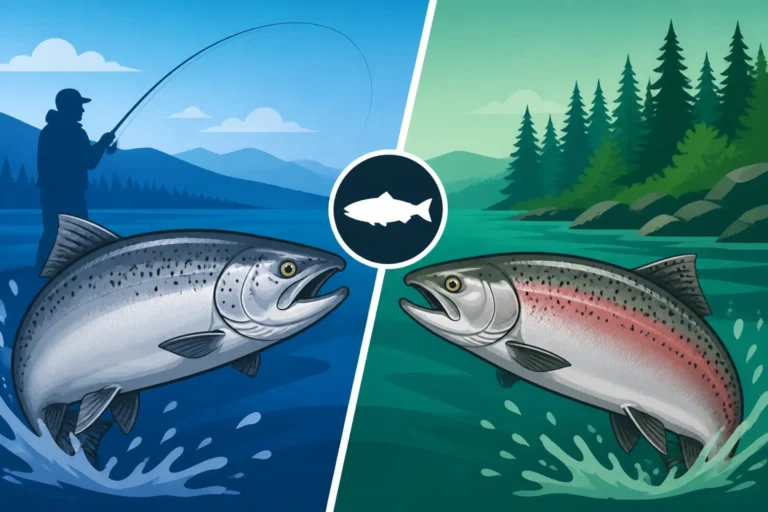
Distinguishing a rainbow from, say, a brown trout is key. Brown trout tend to have fewer spots, often with a halo effect around them, and typically feature red or orange spots in addition to black ones, especially on their flanks. How to Identify a Steelhead vs a Brown Trout is a great resource if you're ever unsure. Rainbows generally have a more streamlined, torpedo-shaped body compared to the more robust build of a brown trout. Knowing these characteristics helps ensure you're correctly identifying your catch and adhering to specific regulations for each species.
Life Cycle and Habits in New York's Ecosystems
Rainbow trout are fascinating creatures with a life cycle that varies significantly based on their environment. In many of New York's freshwater streams and rivers, they are stream-resident, living out their entire lives in these flowing waters. Here, they typically spawn in the spring, constructing redds (nesting areas) in gravel bottoms where females deposit eggs and males fertilize them. The fry hatch and spend their early lives in shallower, protected areas, gradually growing and moving into deeper pools and runs as they mature. Their diet primarily consists of insects, both aquatic and terrestrial, small crustaceans, and sometimes smaller fish.
A particularly unique aspect of the rainbow trout in New York is the "steelhead" phenomenon. These are anadromous rainbow trout that migrate from the Great Lakes (like Lake Ontario and Lake Erie) into their tributary rivers and streams to spawn. They spend most of their lives growing large in the rich, open waters of the lakes, feeding on baitfish, and then undertake impressive spawning runs in the fall and spring. After spawning, many steelhead return to the lake, unlike their Pacific salmon cousins, and can repeat the spawning migration multiple times. This migratory behavior gives them incredible strength and size, making them a prized catch for anglers targeting Steelhead Trout in New York.
Where to Find Rainbow Trout in New York
New York State boasts an incredible diversity of waters, and thankfully, many of them are home to rainbow trout. From the wild rivers of the Catskills to the massive lake systems, there's a rainbow trout fishery for every type of angler.
Popular Freshwater Haunts: Rivers and Streams
When many anglers think of trout fishing, they picture serene rivers and sparkling streams, and for good reason—these are prime rainbow trout habitats. New York is blessed with an abundance of such waters. The legendary rivers of the Catskills, like the Beaverkill and Willowemoc, are hallowed grounds for fly fishermen, known for their wild and wary rainbow populations. These freestone streams offer classic riffle, run, and pool formations that rainbows love. Further north, the tributaries feeding into larger rivers and lakes also hold fantastic opportunities.
Beyond the more famous rivers, countless smaller creeks and feeder streams across the state provide excellent, often less-pressured, fishing. These can be particularly good during spring stocking season or after a good rain when water levels rise, bringing fresh food and cover. Always check local regulations, as some streams may have special catch-and-release or artificial-lures-only rules. Exploring these smaller, lesser-known spots can often lead to unexpected and rewarding encounters with vibrant rainbows. You can find excellent starting points in our guide to New York's Best Rivers for Fishing.
Great Lakes Tributaries: A Steelhead Haven
For those seeking a truly epic rainbow trout experience, the Great Lakes tributaries are a must-visit. These rivers, particularly those flowing into Lake Ontario and Lake Erie, are world-renowned for their steelhead runs. As mentioned earlier, steelhead are migratory rainbow trout that grow to impressive sizes in the open waters of the Great Lakes before returning to their natal streams to spawn. The Salmon River, Black River, Oswego River, and countless smaller creeks on the Lake Ontario side, and the Cattaraugus Creek and Chautauqua Creek on the Lake Erie side, become major draws during the fall and spring.
During these runs, the rivers are teeming with powerful, chrome-bright fish that test every piece of your gear and every bit of your skill. Anglers often employ drift fishing techniques with egg imitations or small flies, or cast various spoons and spinners, to entice these big fish. The fight is legendary—long, fast runs and spectacular aerial displays are common. Fishing these tributaries demands patience and perseverance, but the reward of landing a 10-pound-plus steelhead is an unforgettable experience. These waters also often hold resident rainbows year-round, making them excellent choices even outside the peak runs.
Stocked Ponds and Lakes: Accessible Opportunities
Not every angler has access to vast rivers or big lake tributaries, and sometimes you just want a more relaxed fishing experience, perhaps with family. That's where New York's extensive stocking program comes in. The state actively stocks millions of rainbow trout into hundreds of lakes, ponds, and streams annually, providing fantastic and accessible fishing opportunities for everyone. These stocked waters are often easier to access, sometimes even located within state parks or municipal lands, making them perfect for a quick outing.
These waters are particularly productive in the spring, shortly after stocking, when the fish are fresh and often eager to bite. You'll find a wide range of gear effective here, from simple worm-and-bobber setups to casting small spinners or spoons. Check the New York State Department of Environmental Conservation (DEC) website for specific stocking schedules and locations near you. These waters are fantastic for introducing kids to fishing or for honing your skills before tackling more challenging wild fisheries. Our guide to New York's Best Lakes for Fishing can point you to some great stocked spots.
New York's Rainbow Trout Populations: Wild vs. Stocked
Understanding the origins of the rainbow trout you're targeting can profoundly influence your approach and appreciation for the fishery. New York State is unique in that it offers robust populations of both wild, self-sustaining rainbows and heavily managed stocked populations.
The Importance of Wild Rainbow Trout
Wild rainbow trout are a testament to healthy aquatic ecosystems. These are fish that have successfully hatched, grown, and reproduced entirely within their natural environment, without human intervention. They are often genetically diverse, more resilient to disease, and exquisitely adapted to their specific stream or river conditions. Catching a wild rainbow feels different—there's a sense of connection to the natural processes of the water, knowing that this fish has survived purely on its instincts and the bounty of its home. Many anglers, especially fly fishermen, specifically seek out these wild fish for the challenge and the purity of the experience.
Preserving and protecting wild rainbow trout populations is crucial for maintaining biodiversity and the ecological health of New York's waterways. This often involves strict regulations, such as catch-and-release mandates or artificial-lures-only rules, in designated wild trout waters. These measures are designed to minimize fishing pressure and ensure these delicate populations can continue to thrive. When you encounter a wild rainbow, take a moment to appreciate its resilience and do your part to practice responsible handling to ensure its safe return.
New York's Extensive Stocking Programs
While wild populations are invaluable, they simply can't meet the demand of New York's vast angling community. This is where the state's incredibly comprehensive trout stocking program steps in. The DEC operates several hatcheries across the state, raising millions of rainbow trout, along with brown and brook trout, each year. These fish are then released into public waters to supplement existing populations, restore fisheries, and, most commonly, to create "put-and-take" fisheries that offer immediate angling opportunities.
These stocked fish provide a fantastic resource for anglers of all skill levels, especially in areas where wild trout populations might be limited due to habitat or environmental factors. The stocking program ensures that even urban and suburban areas have accessible fishing. While some purists might prefer wild fish, there's no denying the economic and recreational benefits of stocking. It allows more people to experience the joy of fishing, which in turn fosters appreciation for conservation. Just remember that stocked fish can sometimes behave differently than wild ones initially, often being less wary, but they quickly adapt to their new environment.
The Unique Case of Steelhead: Anadromous Rainbows
As we touched upon earlier, steelhead occupy a fascinating middle ground and represent a truly unique facet of New York's rainbow trout story. They are genetically identical to stream-resident rainbow trout, but they exhibit an anadromous life history, meaning they migrate between freshwater lakes (or oceans, in other regions) and rivers. In New York, this typically refers to rainbows that spend the bulk of their lives in Lake Ontario or Lake Erie, growing large and powerful, before migrating upstream into tributaries to spawn.
These "silver bullets" are highly prized by anglers for their incredible strength and size. The migration itself is an arduous journey, and the fish that complete it are in peak physical condition, ready to put up a phenomenal fight. New York's steelhead fisheries are globally recognized, drawing anglers from far and wide. While they are technically wild fish when they enter the rivers to spawn, many of New York's steelhead populations are also heavily supported by stocking programs that release juvenile rainbows directly into the tributaries. These stocked fish imprint on the river and later migrate to the lake, returning as powerful steelhead. This blend of wild reproduction and strategic stocking helps sustain these world-class fisheries.
Fishing for Rainbow Trout in New York
Successfully fishing for rainbow trout in New York often comes down to matching your gear and technique to the specific water and conditions you're facing. From delicate fly fishing to more robust spin fishing, there's a method for everyone.
Essential Gear for Rainbow Trout Angling
Having the right equipment can make all the difference between a frustrating day and a fantastic one. For stream fishing, a light to medium-light spinning rod (6' to 7') paired with a small spinning reel spooled with 4-8 lb test monofilament or fluorocarbon line is a versatile setup. This allows for delicate presentations of small lures and baits while still having enough backbone to handle a good fighting fish. If you're wading, a good pair of waders and wading boots with felt or rubber soles are crucial for safety and comfort in slippery riverbeds.
Fly anglers will typically opt for a 3-weight to 6-weight fly rod, depending on the size of the water and the fish, paired with a matching reel and floating fly line. A leader and tippet system of varying strengths, usually 4x to 6x, is essential for presenting flies naturally. For those targeting larger steelhead in the Great Lakes tributaries, you'll want heavier gear—a medium-heavy spinning rod (8' to 10') or a long noodle rod, capable of handling 8-12 lb test line, is common. Alternatively, a 7-weight to 9-weight spey or switch rod is ideal for fly fishing those big waters. Don't forget a net, pliers for hook removal, and a comfortable vest or pack to carry your tackle. Many reliable options for all this gear can be found on online retailers like Amazon, making it easy to get what you need delivered right to your door.
Top Baits and Lures for Success
Rainbow trout are opportunistic feeders, which means a variety of baits and lures can be effective. For natural bait, live worms or mealworms fished under a bobber or on the bottom are consistently productive, especially for stocked fish in lakes and ponds. PowerBait, in its various forms and colors, is another staple, molded around a small hook to float off the bottom. Small minnows can also entice larger rainbows, particularly in rivers.
When it comes to artificial lures, spinners are a classic choice. Brands like Mepps and Panther Martin in sizes #0 to #3, with silver or gold blades and various body colors, are very effective. Small spoons, such as Kastmasters or Little Cleos, in silver, gold, or flashy colors, can also tempt rainbows with their wobbling action. Soft plastics, like small grubs or tube jigs on a light jig head, can mimic natural forage. For fly anglers, the choices are vast: dry flies mimicking mayflies, caddis, and stoneflies are great for surface feeding fish, while nymphs (like Pheasant Tail or Hare's Ear) and streamers (like Woolly Buggers) are excellent subsurface choices. For steelhead, egg patterns (like Glow Bugs) and small stonefly or caddis nymphs are perennial favorites.
Effective Techniques: Fly Fishing, Spin Fishing, and Drift Fishing
The technique you employ will largely depend on the water, conditions, and your personal preference. How to Trout Fish in New York covers many of these in detail.
-
Spin Fishing: This is perhaps the most popular and versatile method. For streams and rivers, cast your chosen spinner, spoon, or jig upstream and retrieve it just fast enough to impart action as it drifts back downstream, letting the current do some of the work. Focus on seams where fast and slow water meet, current breaks behind boulders, and deeper pools. In lakes and ponds, casting and retrieving lures or still-fishing with bait near drop-offs or submerged structure are good approaches.
-
Fly Fishing: This elegant method often involves "matching the hatch"—identifying what insects are present and using a fly that imitates them. How to Fly Fish in New York delves deep into this. For dry fly fishing, delicate casts are key to presenting the fly naturally on the surface. Nymphing involves getting your fly down to the fish's feeding zone near the bottom, often using an indicator to detect subtle bites. Streamer fishing, which mimics baitfish, can be very effective for aggressive rainbows, involving casting and stripping the streamer to create movement.
-
Drift Fishing: This technique is particularly effective for steelhead and larger resident rainbows in rivers. It involves using weights (split shot or pencil lead) to get your bait or fly (often an egg pattern or a natural egg sac) to drift naturally along the bottom, mimicking dislodged eggs or nymphs. The key is to keep your line relatively tight to feel the often subtle takes, letting your bait tumble along with the current. This method is incredibly productive for covering water and targeting fish holding in deeper runs and pockets. Using a long rod (9-11 feet) helps with line control and mending.
Seasonal Considerations for Rainbow Trout Angling
Rainbow trout fishing in New York is a year-round affair, but understanding how the seasons affect their behavior and where they hold can dramatically increase your chances of success. Each season presents unique challenges and opportunities.
Spring's Promise: Post-Stocking and Run-Off Fishing
Spring is arguably one of the most exciting times to fish for rainbow trout in New York. As the ice recedes and water temperatures begin to rise, trout become more active and start feeding aggressively after a long winter. This is also when the New York DEC begins its extensive stocking programs, releasing millions of fish into lakes, ponds, and streams. These newly stocked fish are often eager to bite, making spring a fantastic time for anglers of all skill levels, especially families. New York Trout Season Opening Day Is April 1 is a date many anglers eagerly await.
Beyond the stocked waters, spring also brings the highly anticipated steelhead runs in the Great Lakes tributaries. As ice thaws, these powerful rainbows push upstream to spawn, offering incredible angling opportunities. However, spring can also bring challenging conditions, particularly with snowmelt and rain causing high, cold, and often muddy water (known as "run-off"). During these times, focus on slower-moving water, current seams, and areas where fish can escape the main current. Heavier weights might be needed to get your bait or lure down to the fish, and brighter, more visible lure colors can sometimes be more effective in stained water.
Summer Strategies: Seeking Cooler Waters
As summer progresses and air temperatures soar, finding rainbow trout requires a shift in strategy. Rainbows are cold-water fish, preferring water temperatures generally below 68°F. When streams and shallow lakes warm up, these fish will seek refuge in cooler environments. This often means deeper pools, shaded areas, sections of rivers fed by cold springs or tributaries, and the cooler depths of larger lakes. Fishing during the cooler parts of the day—early morning or late evening—becomes much more productive.
For stream anglers, identifying thermal refuges is key. Look for springs entering the stream, the deepest pools with ample overhead cover, or sections with heavy tree canopy. In larger lakes, rainbows will often move into the thermocline, a layer of water where the temperature changes rapidly, offering optimal conditions. Trolling with downriggers or weighted lines can be effective for reaching these deeper zones. While challenging, summer fishing for rainbows can yield some impressive catches if you know where to look and when to cast.
Fall and Winter: Steelhead Runs and Ice Fishing
Fall brings another burst of activity for rainbow trout, particularly in the Great Lakes tributaries. As temperatures cool and autumn rains swell the rivers, the fall steelhead run commences. These fish enter the rivers from the lakes, often alongside salmon, and will hold in various pools and runs. This provides excellent fishing, especially for those who enjoy drifting egg patterns or small nymphs. The vibrant fall foliage against the backdrop of a chrome-bright steelhead makes for an unforgettable experience.
Winter, while challenging, still offers opportunities. Many open water tributaries will continue to hold steelhead and resident rainbows throughout the colder months, especially if ice-free sections remain. Ice fishing for rainbow trout is also popular on many of New York's frozen lakes and ponds. During winter, trout activity slows down, so a patient approach with smaller baits or jigs, fished slowly, is often most effective. Locating structure or deeper areas with a fish finder becomes paramount. Always prioritize safety when ice fishing, ensuring ice thickness is adequate. The thrill of pulling a feisty rainbow through a hole in the ice is a unique winter pleasure.
Regulations and Conservation for New York Rainbow Trout
Fishing responsibly is paramount to ensuring healthy rainbow trout populations for future generations. New York State has a robust set of regulations designed to manage its fisheries, and it's every angler's duty to understand and adhere to them.
Understanding Catch Limits and Size Restrictions
Like all game fish in New York, rainbow trout are subject to specific regulations concerning daily catch limits and minimum size restrictions. These limits can vary significantly not only by species but also by waterbody and region within the state. For instance, the general statewide daily limit for trout might be a certain number, but a specific stream might have a reduced limit or even be designated as "catch-and-release only." Minimum size limits are in place to allow fish to mature and reproduce at least once before being harvested. Our guide to New York Statewide Trout Bag Limit provides excellent information on this.
It's absolutely crucial to consult the most current New York DEC fishing regulations guide before heading out. This guide provides detailed information on all waterbodies, including any special regulations that supersede the general rules. Ignorance of the law is not an excuse, and violations can result in significant fines. Always measure your fish carefully and release any that don't meet the minimum size requirement or that exceed your daily limit.
| Region/Water Type | General Daily Limit (Trout) | General Minimum Size | Notes |
|---|---|---|---|
| Inland Trout Streams & Ponds | Varies by regulation | Varies by regulation | Check specific waters for special regs. |
| Great Lakes Tributaries (Steelhead) | Varies by regulation | Varies by regulation | Specific rules for migratory species and seasons. |
| Designated Trout Waters | Often reduced | Often increased | Many have "Artificial Lures Only" or "Catch & Release" rules. |
Note: The table above provides general guidance; always check the current NYS DEC fishing regulations for specific water bodies and species before fishing, as rules frequently change.
Special Regulations and Trout Stamps
Beyond general limits, many of New York's premier trout fisheries, particularly those known for wild or trophy-sized fish, have special regulations. These can include "Artificial Lures Only," "Catch and Release Only," "Single Hook Only," or season-specific rules. These special regulations are put in place to protect fragile populations, enhance the quality of the fishery, or manage unique migratory patterns. Fly fishing-only sections, for example, are common on many of the Catskill streams.
Another important consideration for trout anglers, especially those targeting migratory salmonids, is the trout stamp. While a basic New York State fishing license covers most general fishing, some areas or specific species might require additional permits or stamps. Make sure to check if a trout stamp or other endorsement is required for the waters you plan to fish. You can learn more about this by reading What Is a Trout Stamp?. Ensuring you have all necessary licenses and permits is just as important as having the right gear. Many anglers purchase their licenses and stamps online through the DEC website, which is a convenient way to ensure compliance before even leaving the house.
Practicing Responsible Catch-and-Release
For many anglers, especially those targeting wild trout or participating in special regulation fisheries, catch-and-release is a core principle. Practicing responsible catch-and-release dramatically increases a fish's chances of survival, contributing to healthy and sustainable populations. The goal is to minimize stress and physical harm to the fish.
Here are some best practices for catch-and-release:
- Use Barbless Hooks: Crushing the barb on your hook or using barbless hooks makes hook removal much easier and less damaging. You can often find pre-barbless hooks on Amazon, or simply use pliers to pinch down the barb on your existing hooks.
- Minimize Handling: Try to keep the fish in the water as much as possible. If you must handle it, do so with wet hands to avoid removing its protective slime coat.
- Support, Don't Squeeze: Support the fish horizontally, especially larger ones, by cradling its belly. Avoid squeezing it, particularly around the gills or belly.
- Quick Release: Remove the hook quickly and gently. If the hook is deeply swallowed, cut the line as close to the hook as possible rather than trying to rip it out.
- Revive Gently: If the fish appears stressed or sluggish, hold it upright in the current (facing upstream) and allow water to flow over its gills until it regains strength and swims away on its own. Never "throw" a fish back into the water.
By following these guidelines, you're not just adhering to good etiquette, you're actively contributing to the health and longevity of New York's incredible rainbow trout fisheries. New York Catch-and-Release Trout Fishing Rules offers even more in-depth advice on this vital practice.
Disclaimer
This article is for general informational purposes only and does not constitute professional advice. Laws, prices and regulations vary by location and change over time. Consult a qualified professional for guidance on your specific situation.