Where Tiger Muskies Are Stocked in New York
Finding tiger muskies in New York can feel like searching for a needle in a haystack, a truly frustrating endeavor for any angler hoping to tangle with one of these elusive, hard-fighting hybrids. Unlike their purebred cousins, tiger muskies aren't naturally reproducing in most New York waters, meaning your best bet for catching one often comes down to knowing where the state stocks them. This comprehensive guide is here to cut through the guesswork, showing you exactly where the New York State Department of Environmental Conservation (DEC) typically places these striped giants and how you can maximize your chances of encountering one.
Understanding the Tiger Muskie: A Unique Hybrid
Before we dive into locations, it's really helpful to understand what makes a tiger muskie such a special catch and why they're even stocked in the first place. They're not your everyday fish, and appreciating their unique characteristics can genuinely improve your approach to fishing for them.
What Makes a Tiger Muskie Special?
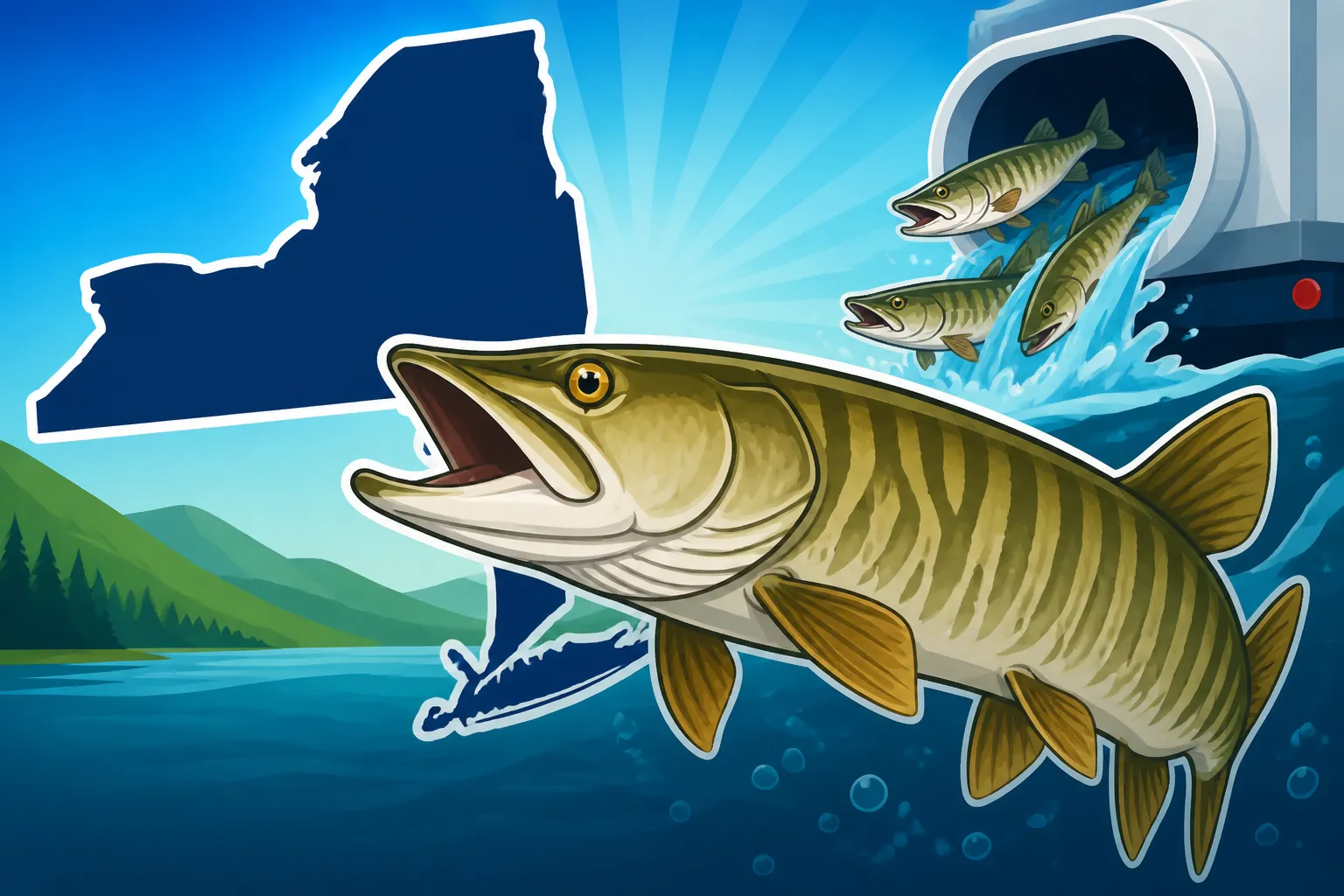
A tiger muskie is essentially a natural hybrid, a cross between a true muskellunge and a northern pike. Think of them as the best of both worlds in many ways, or perhaps a more accessible version of the elusive pure muskie. What really sets them apart, visually, is their distinctive "tiger" striped pattern – dark vertical bars on a lighter background, sometimes more blotchy than striped, but always eye-catching. No two are exactly alike, which makes every catch a true surprise.
Beyond their looks, these fish grow fast and fight incredibly hard. They're known for their aggressive strikes and powerful runs, giving anglers a thrilling experience. While they don't typically reach the gargantuan sizes of purebred muskies, they still grow large enough to be considered a significant trophy catch in New York. Plus, their sterile nature means they don't reproduce, which has a big impact on why and where the DEC decides to introduce them into a fishery. It's truly an exciting moment when you finally hook into one of these beautifully patterned predators. You might want to learn more about What a Tiger Muskie Is to fully appreciate their unique biology.
Why New York Stocks Tiger Muskies
New York's fisheries management strategy for tiger muskies is quite ingenious. Since these hybrids are sterile, they don't overpopulate a water body or compete directly with other native species for spawning grounds in the same way naturally reproducing fish might. Instead, they provide a fantastic put-and-take trophy fishery. This means the DEC can stock them into specific lakes and rivers, knowing they will grow large and provide excellent angling opportunities, without having to worry about managing their wild populations.
They're often stocked in waters where conditions might not be ideal for pure muskellunge survival or reproduction, or where northern pike populations are already present, leading to a natural (though sometimes accidental) cross-breeding in the wild, which the stocking program then enhances. This allows anglers to pursue a "muskie-like" fish in more diverse environments across the state, expanding fishing horizons beyond the traditional muskie strongholds. It's a win-win for both conservation and recreation, giving anglers a challenging target and the ecosystem a predatory fish that helps keep other fish populations in check without long-term genetic impacts. If you're curious about their parent species, understanding the Muskellunge vs Northern Pike: Key Differences can offer more context.
Key Regions for Tiger Muskie Stocking in New York
New York is a big state with an incredible variety of waterways. While tiger muskies aren't in every lake or river, the DEC strategically stocks them in various regions to provide diverse opportunities for anglers. Knowing these general areas is your first step to planning a successful trip.
Central New York's Hotbeds
When it comes to tiger muskie stocking, Central New York has historically been a significant area, often seeing these prized hybrids introduced into a variety of water bodies. Lakes and reservoirs in this region, which can range from larger, deeper glacial lakes to smaller, shallower impoundments, offer excellent habitat for tiger muskies to thrive and grow. These waters often have robust forage bases of panfish and suckers, which are perfect for a rapidly growing predator like the tiger muskie.
The DEC has a history of stocking these fish in waters with good public access, making it easier for anglers from cities like Syracuse, Utica, and even Albany to get out and chase them. Fishing in these areas often involves targeting weed lines, submerged structure, and drop-offs where their prey tends to congregate. It's a true game of patience and persistence, but the reward of a central New York tiger muskie is well worth the effort.
Western New York Opportunities
Moving westward across the state, another important region for tiger muskie stocking is Western New York. This area, encompassing waters near cities like Buffalo and Rochester, often features a different type of aquatic environment compared to the central part of the state. Here, you might find stocking efforts in large river systems, smaller lakes, and even some reservoirs that are part of the larger Great Lakes watershed.
These western waters provide ample space and diverse ecosystems for tiger muskies. Anglers in this region can expect to find good fishing from shore in accessible areas, or by boat, trolling or casting in larger sections of the lakes and rivers. The varied landscape means that a range of techniques can be effective, from working spinnerbaits and jerkbaits along prominent weed edges to slow-trolling larger plugs through open water. Always remember to check specific regulations for the water body you plan to fish, as they can sometimes vary even within regions. For a broader understanding of what to expect, consider reading up on Fish Species Found in Lake Erie or Fish Species Found in Lake Ontario.
Other Notable Stocking Locations
While Central and Western New York are often highlighted for tiger muskie stocking, it's important to remember that the DEC's program isn't limited to just those areas. Over the years, various other lakes and larger ponds across different parts of the state have received stockings, providing more localized opportunities for anglers. These can include waters in the Southern Tier, parts of the Adirondacks (though less common for hybrids, more for pure strain muskies), or even smaller impoundments closer to urban centers if the habitat is deemed suitable.
These "other" locations might not always be on the radar of every angler, but they can offer fantastic, less-pressured fishing. Local bait shops and regional DEC offices are often the best resources for uncovering these hidden gems. The key is that the stocking program is dynamic; it adapts to environmental conditions, angler demand, and fish availability. So, keeping an eye on official reports is crucial, regardless of which region you typically fish. Understanding New York's Most Popular Freshwater Fish can give you a good sense of the overall fishery.
How to Find Up-to-Date Stocking Information
The world of fish stocking is constantly changing. What was true last year might be different this year. Relying on outdated information is a sure way to end up disappointed, which is why knowing how to find the most current data is absolutely essential for serious tiger muskie anglers.
Utilizing the DEC's Resources
The New York State Department of Environmental Conservation (DEC) is your absolute best friend when it comes to official stocking information. They maintain detailed records and often publish stocking lists, which are invaluable for any angler hoping to target tiger muskies. These reports typically specify the species, number of fish, and the exact water bodies where they were released.
While I can't give you real-time data, I can tell you that the DEC typically updates these lists seasonally or annually. Visiting their official website and navigating to the fisheries or stocking sections is the most direct way to get this information. Look for publications related to "fish stocking lists" or "inland fisheries reports." Sometimes, these reports will even include details on the size of the fish stocked, which can help you calibrate your gear. It might not always be the easiest website to navigate, but the information is gold, so a little patience will pay off. Knowing New York Fishing Regulations Explained will also be vital once you pinpoint a location.
Local Knowledge and Fishing Communities
Beyond the official reports, the unofficial network of local knowledge is incredibly powerful. Your local bait shop isn't just a place to buy worms; it's often a hub of current information. The folks working there, and the regulars who frequent the shop, usually have their ears to the ground and know which lakes have been hot, which have received recent stockings, or even where the best spots are proving to be. Don't be shy – strike up a conversation!
Online fishing forums, local angling clubs, and social media groups dedicated to New York fishing are also fantastic resources. Anglers love to share their catches (and sometimes, their secrets!). You might find photos of recent catches from a particular lake, or discussions about stocking efforts that haven't quite made it to the official reports yet. Just remember to take everything with a grain of salt and cross-reference when possible. And when you do find a great spot, be respectful of the local environment and fellow anglers. These communities can also be a good place to ask questions about New York Statewide Trout Daily Limit Explained or Bass Daily Limit and Minimum Size in New York if you plan to target other species.
Planning Your Tiger Muskie Hunt
Once you've gathered your intel, it's time to put a plan into action. Planning a tiger muskie trip involves more than just knowing where they're stocked; it's about understanding the specific water body, its regulations, and preparing yourself for the challenge.
- Scout the Water: Look at maps (topographical and bathymetric if possible) of the stocked lake or river. Identify key features like weed beds, drop-offs, rock piles, and submerged timber. These are all prime ambush points for tiger muskies.
- Check Regulations: Always, always double-check the specific regulations for the water you plan to fish. Minimum size limits, daily creel limits, and even tackle restrictions can vary widely from one lake to another in New York. The DEC's Freshwater Fishing Regulations Guide is a must-have. You’ll want to be familiar with the New York DEC Fishing Regulations Guide.
- Time it Right: While tiger muskies can be caught throughout the open water season, they are often most active during cooler water temperatures in spring and fall. Early mornings and late evenings can also be prime times.
- Be Patient: Muskie fishing is often called "the sport of a thousand casts." Don't get discouraged if you don't immediately hook up. Persistence is key!
Gear and Techniques for Tiger Muskie Success
Chasing tiger muskies isn't like panfishing; these are serious predators that demand robust tackle and a thoughtful approach. You wouldn't bring a butter knife to a sword fight, and the same principle applies here. Being properly equipped and understanding effective techniques will drastically increase your chances of success.
Essential Tackle for These Beasts
When you're targeting fish that can grow to impressive lengths and weights, your gear needs to be up to the task. Skimping on tackle when it comes to tiger muskies is a recipe for broken lines, bent hooks, and lost fish – a truly disheartening experience after all that effort!
First, let's talk about rods. You'll want a heavy-power casting rod, typically between 7'6" and 9' in length. This extra length helps with casting large lures and provides leverage when fighting a powerful fish. Paired with this, a robust baitcasting reel capable of holding a significant amount of heavy line is essential. Look for models with a strong drag system and a fast gear ratio to quickly pick up slack line. For line, 65-80 lb braided line is standard. The braid offers incredible strength, minimal stretch for solid hooksets, and excellent sensitivity.
But the most critical piece of tackle, perhaps, is the leader. Tiger muskies have incredibly sharp teeth, so a heavy-duty fluorocarbon or wire leader is non-negotiable. Many anglers opt for 80-130 lb test fluorocarbon or a strong wire leader of at least 12 inches to prevent bite-offs. As for lures, large crankbaits, spinnerbaits, bucktails, and soft plastic swimbaits are popular choices. Sizes typically range from 6 to 12 inches or even larger. Remember, these fish eat big bait! If you're looking to stock up on reliable, heavy-duty gear, checking out a wide selection of lures and tackle on Amazon can be a convenient way to compare options and read reviews from other muskie anglers. You might also want to look into Best Lures for Muskellunge.
| Tackle Item | Key Characteristics | Why It's Important |
|---|---|---|
| Rod | Heavy power, 7'6" – 9' casting rod | Handles large lures, provides leverage for strong fish |
| Reel | Robust baitcasting, strong drag, fast gear ratio (e.g., 6.4:1+) | Manages heavy line, withstands powerful runs, retrieves line quickly |
| Main Line | 65-80 lb braided line | Superior strength, no stretch for solid hooksets, sensitive to strikes |
| Leader | 80-130 lb fluorocarbon or wire (12"+) | Prevents bite-offs from sharp teeth, crucial for landing fish |
| Lures | Large bucktails, spinnerbaits, crankbaits, swimbaits (6-12"+) | Mimics natural prey, attracts aggressive strikes from large predators |
| Landing Net | Large, rubberized net (minimum 30" hoop) | Safely lands and protects both fish and angler, rubber protects fish's slime coat |
| Long-nose Pliers | 11-12" size, stout construction | Essential for safe hook removal from a toothy fish, protects your hands |
Effective Fishing Strategies
Catching a tiger muskie often comes down to dedication and employing the right strategies. These fish are predatory by nature, and your techniques should reflect that. They're often ambush predators, waiting in cover for an unsuspecting meal to swim by.
Casting is a very popular and effective method. You'll be making a lot of casts, targeting prime areas like the edges of weed beds, submerged structures, fallen trees, and rocky points. The retrieve is critical: a steady, moderate to fast retrieve with occasional pauses or jerks can often trigger a strike. It's often said that if you think you're retrieving too fast, speed it up! Tiger muskies love a fast-moving bait. A key technique, especially when a muskie follows your lure to the boat but doesn't strike, is the "figure-eight." Instead of pulling your lure out of the water, plunge your rod tip into the water and trace a large figure-eight pattern beside the boat. This often provokes a hesitant muskie to strike at the last second. You can learn more about this by researching How to Figure-Eight a Muskie Boatside.
Trolling is another highly effective method, particularly on larger lakes and reservoirs where tiger muskies are stocked. This allows you to cover vast amounts of water and present large lures at consistent depths. Trolling speeds can vary, but generally, a speed that gives your lure its intended action is best. Using a reliable depth finder on your boat is a huge advantage for identifying promising structure and keeping your lures in the strike zone. Experiment with different lures and depths until you find what the fish are keying in on. Whether casting or trolling, remember that presentation is key, and varying your retrieve or lure choice can make all the difference. Having a selection of different sized and colored lures readily available, perhaps even some specific muskie lures found on Amazon, can keep your options open when the fish are finicky.
Disclaimer
This article is for general informational purposes only and does not constitute professional advice. Laws, prices and regulations vary by location and change over time. Consult a qualified professional for guidance on your specific situation.