How to Fish for Walleye at Night
Few fishing experiences are as rewarding, or as challenging, as targeting walleye. During the day, these cunning fish can seem almost invisible, frustrating even the most seasoned anglers. But when the sun dips below the horizon and the lake or river goes quiet, a whole new world opens up for walleye enthusiasts. This guide will walk you through everything you need to know to successfully fish for walleye at night in New York, transforming your angling success under the cover of darkness.
Why Walleye Love the Night (and Why You Should Too)
There’s a common misconception that fishing is a strictly daytime activity. For many species, that's true, but for walleye, the night often marks the beginning of their most active feeding periods. Understanding why they embrace the darkness is the first step to unlocking consistent success.
The Walleye's Nocturnal Advantage
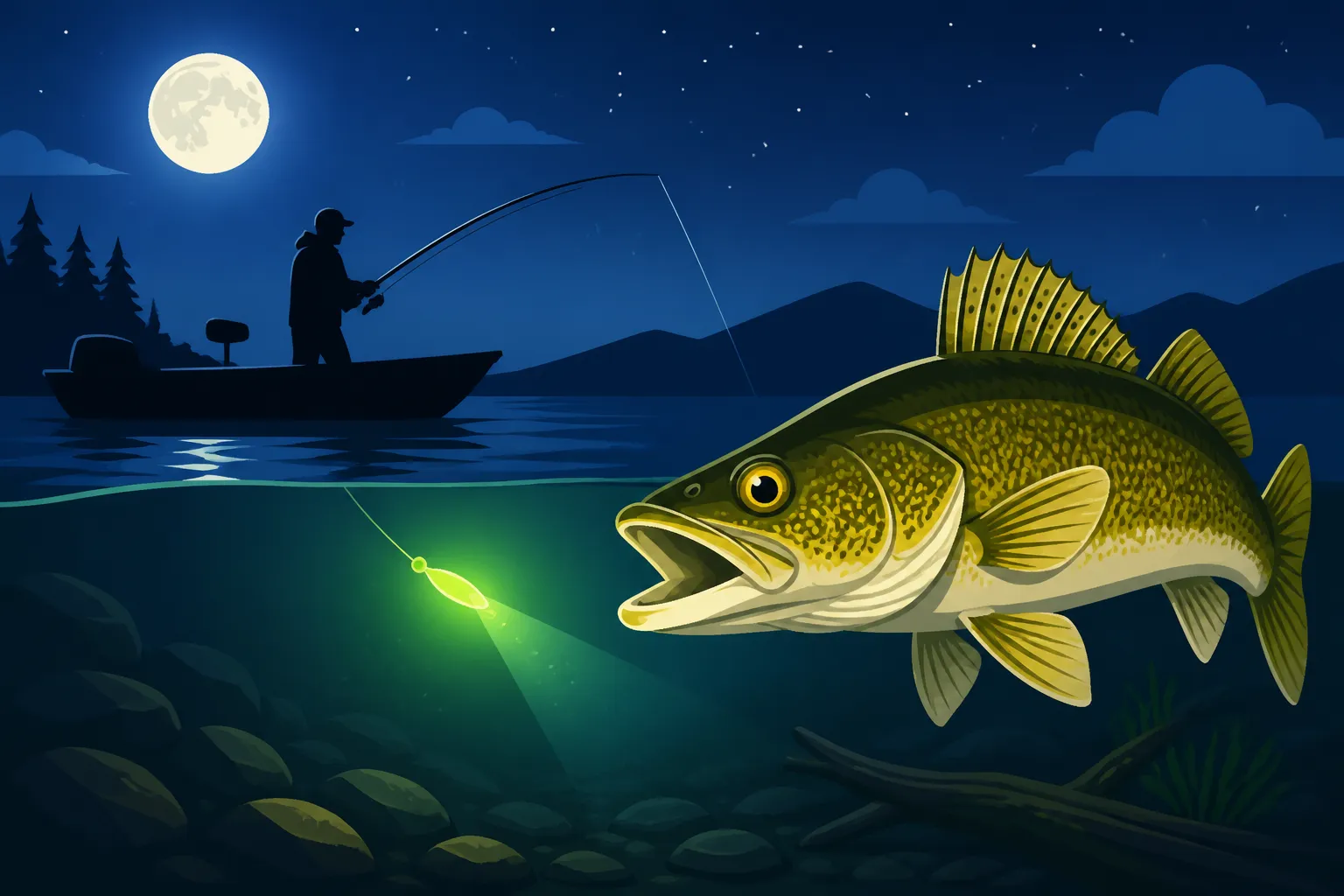
Walleye are equipped with a unique biological adaptation that makes them perfectly suited for low-light conditions: their eyes possess a reflective layer called the tapetum lucidum. This same layer is found in cats and deer, giving them that eerie glow in headlights. For a walleye, it means their eyes gather and reflect even the faintest available light, giving them superior vision in twilight, overcast conditions, and especially at night.
Think about it from their perspective. During the bright daylight hours, when the sun is high and the water is clear, walleye often retreat to deeper, darker water or hide in thick cover to avoid intense light. They become more cautious, making them incredibly difficult to fool with lures. But once dusk settles, and human eyes struggle to see, the walleye’s vision becomes paramount. They can easily spot their prey silhouetted against the minimal available light, while their prey struggles to see them. This shift gives them a massive predatory advantage, turning them from skittish bottom-dwellers into aggressive hunters.
Reduced Pressure and Increased Opportunity
Beyond their superior eyesight, another significant factor in night fishing success is the drastic reduction in fishing pressure. Most anglers pack up their gear as soon as the sun starts to set, leaving vast stretches of prime walleye habitat unmolested. This quieter environment is a huge boon for walleye, who are highly sensitive to boat noise, trolling motors, and the general commotion of a busy waterway.
When you're out on the water at night, you'll often find yourself in solitude, or with only a handful of other dedicated night owls. This calmer atmosphere translates directly into more confident fish. Walleye that were hesitant to move into shallower feeding areas during the day due to boat traffic or human activity will now push into those same spots with gusto. It’s a chance to experience the fishery in a completely different way—peaceful, serene, and often incredibly productive. You're not just fishing; you're entering their world on their terms, and the rewards can be phenomenal, especially when you understand the Best Time to Fish for Walleye in New York.
Essential Gear for Your Night Walleye Expedition
Venturing out after dark requires a bit more preparation than your typical daytime trip. Having the right gear isn't just about catching fish; it's about safety, comfort, and maximizing your chances in the unique environment of night fishing.
Lighting Your Way Safely
Let's be clear: you need light, and plenty of it. But not all light is created equal when you're targeting walleye. Your primary illumination will likely come from a reliable headlamp. Look for models that offer both a bright white light for rigging, baiting, and navigating, as well as a red light option. The red light is crucial because it preserves your night vision and is much less disruptive to the fish. Switching to red light when you're actively fishing and scanning the water can make a huge difference in not spooking wary walleye. Many anglers find excellent, durable headlamps with these features on platforms like Amazon.
If you're fishing from a boat, proper navigation and anchor lights are non-negotiable legal requirements for safety. Make sure they are in perfect working order before you leave the dock. Additionally, a battery-powered lantern or small LED strip lights for the boat's interior can be incredibly helpful for seeing tackle, organizing gear, or handling a fish without blinding yourself or your companions. For shore anglers, a strong spotlight for casting out and retrieving, combined with a hands-free headlamp, is ideal. Always carry extra batteries for all your lights – you never want to be caught in true darkness on the water.
Rods, Reels, and Line Choices
When the bite is subtle, which it often can be with walleye, especially in deeper water, sensitive gear is paramount. For rods, a medium-light to medium power rod, typically 6'6" to 7'6" in length, with a fast or extra-fast action, is a great all-around choice. The fast tip helps detect those delicate taps, while the backbone provides enough power to set the hook firmly and fight a strong walleye. Many anglers prefer spinning setups for their versatility in casting lighter lures and baits, but baitcasting outfits can be excellent for trolling heavier crankbaits or precisely jigging heavier presentations.
Line choice is critical. Fluorocarbon line is a popular choice for its near invisibility underwater, excellent sensitivity, and abrasion resistance, making it perfect for leaders when jigging. Braided line, with its zero stretch, offers incredible sensitivity for detecting light bites and powerful hooksets, especially in deeper water. However, its visibility means it's usually best paired with a fluorocarbon leader of 6-10 feet. A good all-around setup might be 10-20 lb braided main line with an 8-12 lb fluorocarbon leader. Remember, in New York, knowing your New York Freshwater Fishing Rules helps ensure you're using appropriate gear for the species and waters you're targeting.
Lures and Baits That Shine in the Dark
Night fishing for walleye isn't just about vision; it's about appealing to all their senses. While their sight is enhanced, noise, vibration, and even scent play a huge role.
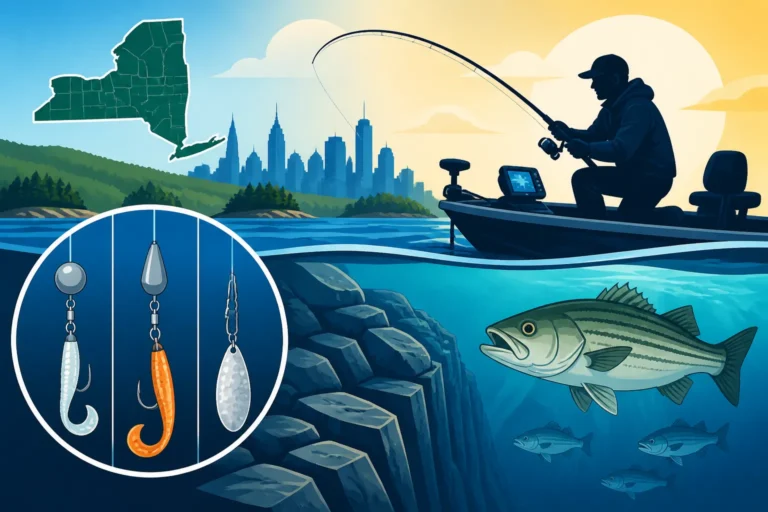
Glow-in-the-Dark and UV Lures: These are a night angler's best friend. Jigs, soft plastics, and even some crankbaits come in glow varieties. The key is to "charge" them with a bright light source (a camera flash, a UV flashlight, or even your headlamp) before casting. This makes them visible to the walleye’s discerning eye in the dark water. You can find a huge selection of glow jigs and plastics on Amazon.
Noisy and Vibrating Lures: Crankbaits and stickbaits with internal rattles create acoustic vibrations that walleye can home in on, even if they can't see the lure clearly from a distance. Shallow-running crankbaits are particularly effective when walleye move up onto shallow flats or along weed edges at night.
Live Bait: There's simply no substitute for the real thing sometimes. Live minnows, shiners, and nightcrawlers are perennial walleye favorites. When using live bait at night, presentation is key. Ensure your bait is active and healthy, as its natural movement and scent are amplified in the darkness. Understanding What Walleye Eat can help you choose the most effective live bait for your specific fishing location. Keep your bait bucket illuminated with a dim light to make it easy to grab bait without disturbing the fish.
| Lure/Bait Type | Best Application | Key Features for Night Fishing |
|---|---|---|
| Glow Jigs | Vertical jigging, pitching to structure, ice fishing | Visible in low light, often paired with plastics/bait |
| Rattling Crankbaits | Trolling shallow flats, casting near shorelines | Auditory attraction, vibration |
| Stickbaits | Casting over shallow ambush points, slow retrieves | Subtlety, often with rattles or slight glow |
| Live Minnows | Slip bobber fishing, slow trolling, jigging | Natural movement and scent, irresistible to walleye |
| Nightcrawlers | Lindy Rigging, bottom bouncing, slip bobber fishing | Strong scent trail, easy presentation |
Proven Night Fishing Techniques for Walleye in New York
Now that you're geared up, let's talk tactics. Walleye behavior changes dramatically after dark, and so too must your approach. The techniques below are highly effective for tempting New York walleye under the cover of night.
Jigging the Depths and Structures
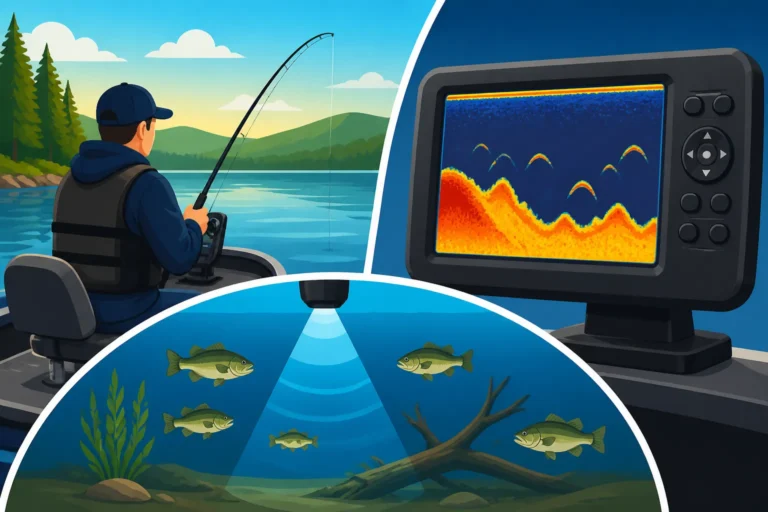
Vertical jigging is a fantastic technique for night walleye, especially when you're targeting specific structures like deep humps, rocky reefs, submerged points, or sharp drop-offs. These are often daytime holding areas that walleye will either linger around or move through as they head shallower to feed. Using your electronics during the day to mark these key structural elements will give you a massive advantage at night.
When jigging in the dark, "feel" becomes your most important sense. You're not relying on visual cues, but rather the subtle tap, weight, or slack in your line that indicates a bite. Use glow jigs or jigs tipped with scented soft plastics or a lively minnow. Drop your jig to the bottom, then lift it sharply a foot or two, letting it fall back on a semi-slack line. Many bites occur on the fall. Keep your retrieves slow and deliberate, especially in colder water. Imagine what a walleye sees: a glimmering, struggling morsel just within reach. Precision is key, so make sure your boat is positioned directly over the structure, using a trolling motor with a GPS anchor feature if possible. For more detailed instructions on this method, check out our guide on How to Jig for Walleye.
Trolling the Shallows
As mentioned earlier, walleye move shallower at night. This is where trolling crankbaits can be incredibly effective, especially over expansive shallow flats, along weed lines, or near prominent shorelines. These areas, often barren during the day, become prime feeding grounds when darkness provides cover.
Select shallow-running crankbaits that mimic the baitfish present in the water, opting for models with internal rattles for added attraction. Colors that contrast sharply in low light, or glow patterns, can also be very productive. The key is to troll slowly—typically between 1.0 to 2.5 miles per hour—to allow the lures to work properly and give walleye time to react. Using planer boards can help spread out your lines and cover more water, presenting your lures to fish that might be spooked by the boat. Pay close attention to your speed and direction; even slight changes can trigger a strike. Trolling at night offers a fantastic opportunity to intercept actively hunting walleye, and you can learn more about specific tactics in our article on How to Troll Crankbaits for Walleye.
Slip Bobber Magic
For a more relaxed yet incredibly effective night fishing technique, especially when targeting walleye around docks, weed edges, or specific submerged cover, slip bobber fishing with live bait is hard to beat. The beauty of a slip bobber is its ability to present a bait at a precise, suspended depth, keeping it right in the walleye's strike zone.
Set up your rig with a slip bobber stopper, a bead, the slip bobber itself, a small weight (split shot or an egg sinker), and a sharp hook. For bait, a lively minnow or a plump nightcrawler is usually ideal. The goal is to keep your bait hovering just above the bottom, or just over the top of submerged weeds. Cast your rig out, let it settle, and then watch the bobber. In the dark, a chemical light stick attached to the top of the bobber makes it easily visible. When that light starts to dance, twitch, or suddenly disappear, you know a walleye has taken the bait. This technique is particularly effective in calm conditions and allows you to cover smaller, highly productive areas with great precision, especially where fish may be skittish about other presentations.
Safety and Planning for a Successful Night Out
Night fishing for walleye can be an exhilarating experience, but it also comes with increased risks. Proper planning and strict adherence to safety protocols are paramount for a successful and enjoyable outing.
Navigational Awareness and Preparation
The most critical aspect of night fishing safety is knowing your chosen fishing grounds like the back of your hand. Before you even think about heading out after dark, spend time during the day thoroughly exploring the area you plan to fish. Identify any shallow spots, submerged hazards, rock piles, or unique structural features. Mark these on your GPS unit. This daytime reconnaissance will prevent nasty surprises and ensure safe navigation when visibility is limited.
When navigating at night, slow down significantly. Rely heavily on your GPS, sonar, and any charts you have. Never run at high speeds, especially in unfamiliar waters. Even in familiar territory, unexpected obstacles can appear. Always inform someone of your fishing plans: where you're going, when you expect to return, and who you're with. Having a charged cell phone in a waterproof bag is a must, but remember that service can be spotty in remote areas. For boat anglers, being aware of Boat Registration Requirements for Anglers and ensuring all your paperwork and safety gear is up to date is crucial.
Dressing for Success and Comfort
Even on a warm summer day, temperatures can drop significantly after sunset. Layering your clothing is essential. Start with a moisture-wicking base layer, add insulating layers, and top it off with a waterproof and windproof outer shell. Conditions can change rapidly on the water, so being prepared for rain or a sudden gust of wind will keep you comfortable and focused on fishing.
Don't forget extras like warm gloves, a hat, and waterproof footwear. Bringing along a thermos of hot coffee, tea, or even just hot water for instant soup can be a real morale booster on a chilly night. Bug repellent is also non-negotiable, especially during warmer months near standing water. Mosquitoes and other biting insects can quickly turn a peaceful night of fishing into a miserable ordeal. Keep plenty on hand, and don't hesitate to reapply!
Legality and Regulations
Before every fishing trip, especially a night outing, it's vital to review the current fishing regulations for the specific body of water you intend to fish. New York has very detailed rules, and they can vary by region and species. Check the New York DEC Fishing Regulations Guide for specifics on walleye season dates, minimum size limits (like the Walleye Minimum Size Limit), and daily creel limits.
Additionally, be mindful of any local ordinances regarding noise or activity on the water after certain hours, especially if you're fishing near residential areas. Always ensure you have your valid New York Fishing License Guide or the specific New York Freshwater Fishing Rules permit required for the waters you're fishing. Even if you're on a private pond, there might still be requirements. It's also a good idea to know the rules on How Many Fishing Rods Can I Use at Once? to avoid any unintentional violations. A quick check of the regulations beforehand can save you from potential fines and ensure a responsible, enjoyable night on the water.
Disclaimer
This article is for general informational purposes only and does not constitute professional advice. Laws, prices and regulations vary by location and change over time. Consult a qualified professional for guidance on your specific situation.