Largemouth Bass in New York
Ah, the largemouth bass! There's something truly special about chasing these aggressive, hard-fighting fish across the varied waters of New York. Many anglers, especially those new to the scene or even seasoned veterans, sometimes struggle to consistently locate and land these elusive creatures. It can be incredibly frustrating to spend hours on the water without a single bite, leaving you wondering if you're using the wrong bait, fishing the wrong spot, or just plain missing something. Well, you're in the right place, because this comprehensive guide is all about equipping you with the knowledge and insights you need to confidently target largemouth bass throughout the Empire State, turning those frustrating days into memorable catches.
The Iconic Largemouth Bass: New York's Freshwater King
There's a reason the largemouth bass holds such a revered spot in the hearts of freshwater anglers. Its explosive strike, acrobatic jumps, and sheer power make every catch an adrenaline rush. But beyond the thrill, these fish are fascinating creatures, perfectly adapted to their environments. Understanding their fundamental characteristics is the first step to becoming a more successful bass angler.
What Makes the Largemouth So Special?
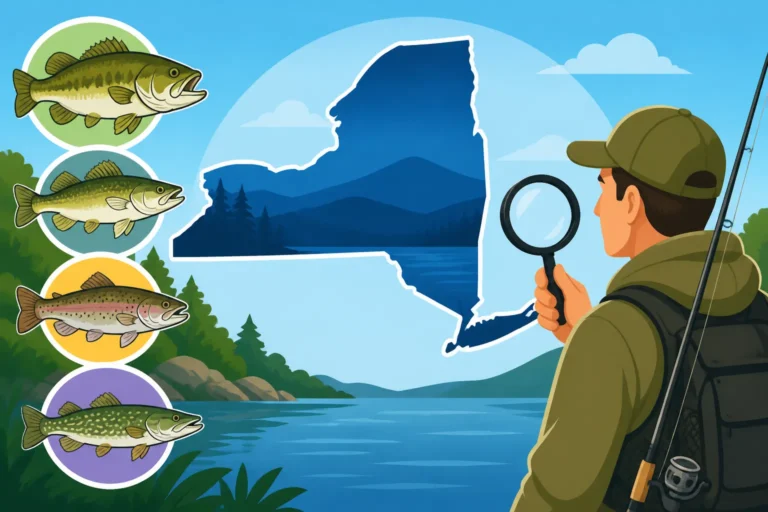
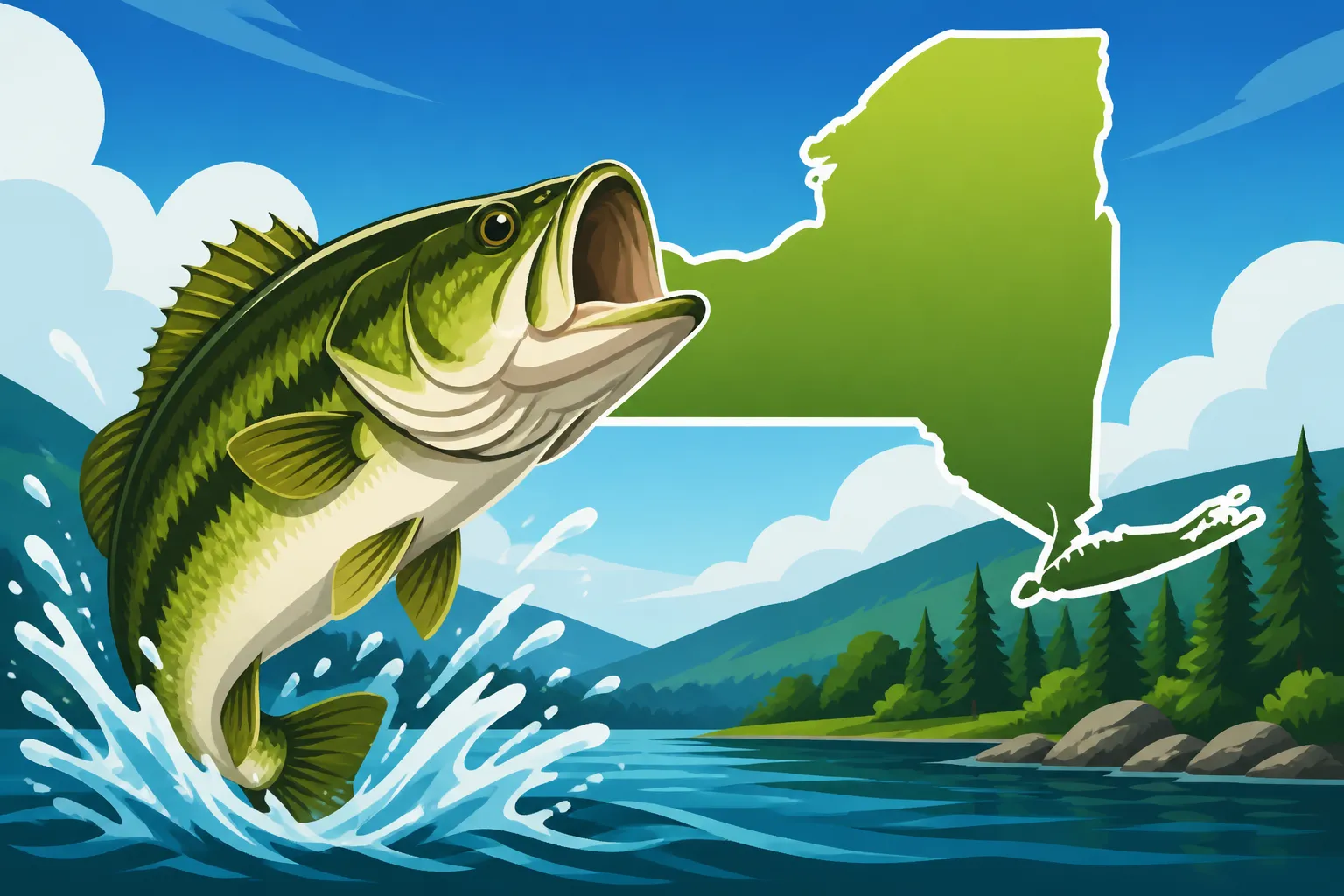
The largemouth bass (scientific name Micropterus salmoides) is instantly recognizable to most anglers. They typically boast a robust, olive-green body that fades to a lighter belly, often adorned with a distinct dark, horizontal stripe or blotches along their sides. Their most defining feature, of course, is that impressively large mouth, with the upper jaw extending beyond the eye when closed. This wide maw is built for engulfing prey, from smaller baitfish to frogs, crawfish, and even ducklings! They're not picky eaters when they're hungry.
Beyond their looks, largemouth bass are known for their territorial and ambush predator nature. They love to hide, patiently waiting for an unsuspecting meal to swim by. This behavior is key to understanding where and how to fish for them. They're also incredibly adaptable, thriving in a wide range of freshwater conditions, from crystal-clear lakes to murky, slow-moving rivers. This adaptability is part of why they've become such a dominant and beloved sportfish across New York, offering thrilling opportunities whether you're fishing a sprawling reservoir or a quiet farm pond. Their aggressive nature and willingness to strike a variety of lures make them an exciting target for anglers of all skill levels. You can learn more about these incredible fish, and others, in our guide to New York's Bass Species Explained.
Where Do They Live in New York?
If you're asking where largemouth bass live in New York, the better question might be: where don't they? These fish are truly ubiquitous across the state's freshwater systems, from the smallest farm ponds to the largest glacial lakes and slow-moving river systems. You'll find them thriving in most warm-water lakes, ponds, and slower sections of rivers and streams. Unlike their smallmouth cousins who prefer rocky, cooler waters, largemouth are creatures of comfort, gravitating towards areas with abundant vegetation, submerged timber, and other forms of cover.
You can expect to find robust populations in virtually every corner of the state where suitable habitat exists. This includes the vast expanse of the Finger Lakes region, many of the smaller lakes and ponds dotting the Adirondacks (especially the shallower, warmer ones), numerous reservoirs in the Hudson Valley, and the extensive network of lakes and rivers in Western New York. Even parts of the Erie Canal system and many smaller municipal ponds can hold impressive largemouth. It’s a testament to their adaptability and the richness of New York's freshwater ecosystems. This widespread distribution makes them one of New York's Most Popular Freshwater Fish.
Understanding Largemouth Bass Behavior and Habitat
To consistently catch largemouth bass, you need to think like one. That means understanding their preferred haunts and how their behavior shifts with the seasons and environmental conditions. They aren't just swimming around aimlessly; every movement and every lie has a purpose, usually related to feeding or seeking refuge.
Preferred Habitats: Weeds, Structure, and Shallcows
Largemouth bass are masters of ambush, and their habitat preferences reflect this predatory style. They love cover and structure, places where they can hide and dart out to intercept prey.
- Weed Beds: This is perhaps their most iconic habitat. Dense beds of submerged vegetation like milfoil, hydrilla, coontail, and lily pads are absolute magnets for largemouth. These weeds provide cover from predators (like ospreys and eagles), shade from the summer sun, and act as prime hunting grounds for baitfish, frogs, and insects. Bass will often position themselves on the edges of weed lines, in pockets within the weeds, or even burrow deep into the thickest stuff. Learning to fish these areas effectively is crucial, and our guide on How to Fish for Largemouth Bass in Weeds offers a deeper dive into specific techniques.
- Submerged Structure: Beyond vegetation, any underwater object that provides cover is a potential bass haven. This includes fallen trees (laydowns), brush piles, old dock pilings, rock piles, ledges, and even man-made debris like old tires or shopping carts. These structures offer vertical relief and ambush points. Bass will often sit on the "down-current" side of structure in rivers, or in the shade cast by it in lakes. In clear water lakes, submerged rock piles can be particularly productive.
- Shallcows and Spawning Flats: In spring, bass move into shallower, warmer water to spawn. These "shallcows" – typically sandy or gravelly flats near deeper water and protected coves – become hotspots. Even outside of spawning, shallower areas with emergent vegetation or logs are excellent feeding grounds, especially during low light conditions in summer or on warmer days in spring and fall. These areas warm up faster, attracting baitfish and in turn, hungry bass.
Seasonal Movements and Feeding Patterns
A largemouth bass's life revolves around the changing seasons, and understanding these patterns is key to predicting their location and mood.
- Spring (Pre-spawn & Spawn): As water temperatures begin to rise, typically into the 50s and 60s Fahrenheit, bass shake off their winter lethargy and begin to move from deeper wintering grounds to shallower, sun-warmed areas. This pre-spawn period is characterized by aggressive feeding as they bulk up for the energy-intensive spawning ritual. They’ll often be found cruising flats, points, and coves. Once water temps hit the mid-60s, they'll start making beds and spawning, becoming very protective of their nests. During this time, they might be less interested in feeding and more focused on defending.
- Summer (Post-spawn & Summer Patterns): After spawning, bass will often move to slightly deeper water or seek dense cover to recover. As summer progresses and water temperatures climb into the 70s and 80s, bass establish distinct summer patterns. They'll often relate to deeper weed lines, offshore humps, ledges, and submerged structure. They'll also feed heavily during low-light periods (early morning, late evening, night) or seek shade during the brightest parts of the day. Fishing the cooler parts of the day can be highly productive. For more specific tactics, check out How to Fish for Largemouth Bass in Early Summer.
- Fall (Autumnal Feeding Frenzy): As days shorten and water temperatures begin to drop (back into the 60s and 50s), bass enter another aggressive feeding period. They know winter is coming and are trying to pack on as much weight as possible. They’ll often be found chasing baitfish schools in shallower to mid-depth areas, especially around points and the mouths of creeks. This is an exciting time to fish, as they can be very active.
- Winter (Deep Water Retreat): Once water temperatures fall below 50 degrees Fahrenheit, largemouth bass become much less active. They typically retreat to deeper, more stable water, often suspending over structure or hunkering down in the deepest sections of lakes and rivers. Their metabolism slows significantly, and they feed infrequently. While challenging, they can still be caught, often with slower presentations and finesse tactics. Our article Best Time to Fish for Bass in New York has even more detail on these seasonal shifts.
Top New York Waters for Largemouth Bass Fishing
New York boasts an incredible array of fisheries, and when it comes to largemouth bass, there are plenty of options to choose from, whether you're looking for a trophy or just a fun day with consistent action.
Famous Lakes and Rivers
Many anglers associate New York with its cold-water trout and salmon fisheries, but don't let that fool you – the state is a bona fide bass factory.
- Lake Champlain: While partially shared with Vermont, the New York side of Lake Champlain offers some of the best largemouth fishing in the Northeast. Its vast expanses of shallow bays, diverse weed beds, and numerous islands create perfect habitat. You'll find incredible numbers of fish, with plenty of opportunities for genuine trophy-sized bass.
- Oneida Lake: Located near Syracuse, Oneida Lake is known for its excellent walleye fishing, but its largemouth population is equally impressive. This large, relatively shallow lake features abundant weed growth, shoals, and structural elements that hold bass. It’s a popular spot for tournaments and recreational anglers alike, offering consistent action.
- The Finger Lakes (especially Cayuga, Seneca, Owasco): While many of the Finger Lakes are deep and better known for lake trout or smallmouth, the shallower ends and bays, particularly on lakes like Cayuga, Seneca, and Owasco, provide fantastic largemouth habitat. Look for extensive weed beds, docks, and submerged timber in these areas. Cayuga, in particular, has a reputation for producing big bass.
- Hudson River (tidal sections): The tidal portions of the Hudson River, especially from Albany south towards New York City, are an often-overlooked largemouth gem. The river's vast network of backwaters, coves, lily pad fields, and sloughs offer prime bass habitat. Fishing here means navigating tides, which adds an exciting challenge, but the rewards can be significant.
- Lake Erie (eastern basin shoreline): While Lake Erie is famed for its smallmouth bass and walleye, the eastern basin's shallow shoreline areas, harbors, and protected bays can hold some chunky largemouth, particularly in the vicinity of Dunkirk and Buffalo.
- Lake Ontario (bays and harbors): Similar to Lake Erie, Lake Ontario is more known for its salmon and trout, but the protected bays, marinas, and river mouths on the New York side, such as those around Henderson Harbor or the mouths of the Oswego and Black Rivers, can offer excellent largemouth opportunities, especially in the warmer months.
Hidden Gems and Local Hotspots
Beyond the major, well-known bodies of water, New York is peppered with countless smaller lakes, ponds, and reservoirs that can offer fantastic, less-pressured largemouth fishing. These often require a bit more local knowledge or exploration but can yield incredible results.
- Smaller Adirondack Lakes and Ponds: While the deep, clear, cold lakes of the Adirondacks are less ideal, many of the shallower, warmer, and more fertile ponds and smaller lakes within the Adirondack Park system boast healthy largemouth populations. These often require canoe or kayak access and can provide a serene fishing experience away from the crowds.
- Central New York Reservoirs: Many of the smaller public reservoirs scattered throughout Central New York, often supplying drinking water to various municipalities, are managed for bass and offer excellent opportunities. These often have good shoreline access and healthy aquatic vegetation.
- Long Island Ponds: Surprisingly, even densely populated Long Island has numerous freshwater ponds and lakes that hold good numbers of largemouth bass. These are often community ponds or park lakes, providing convenient fishing close to home.
- Private Ponds and Farm Ponds: Don't overlook the potential of private waters. With permission from landowners, many farm ponds across New York are teeming with largemouth. These can be incredible fisheries, often less pressured and offering some of the fastest action.
- Canal Systems and Backwaters: The aforementioned Erie Canal, as well as other river systems with slow-moving backwaters and oxbows, can hold incredible largemouth. These often feature dense cover and offer unique fishing challenges.
Remember, local bait shops are an invaluable resource for finding these "hidden gems." The folks behind the counter often have their finger on the pulse of local fishing conditions and can point you to lesser-known but productive spots. You can find a comprehensive list of waters known for these great fish in New York Lakes Known for Largemouth Bass.
Essential Techniques and Gear for New York Largemouth
Catching largemouth bass consistently means having the right tools for the job and knowing how to use them. These fish respond to a wide variety of presentations, so being versatile is a huge advantage. Don't be afraid to experiment!
Popular Lures and Baits
Largemouth bass are opportunistic predators, and a well-placed lure or bait can often trigger an aggressive strike. Here are some of the most effective options for New York waters:
- Soft Plastics: These are arguably the most versatile and effective lures for largemouth.
- Plastic Worms: Texas-rigged, Carolina-rigged, or Wacky-rigged worms are deadly. They imitate a variety of prey and can be fished through heavy cover. Colors like green pumpkin, junebug, and black/blue are perennial favorites.
- Creature Baits/Jigs: Mimicking crawfish or other critters, these are fantastic for punching through thick vegetation or fishing around submerged wood. A jig with a plastic trailer (like a craw or grub) is a classic big-bass catcher.
- Senkos/Stick Baits: These simple, soft plastic sticks have an incredible shimmy on the fall and are excellent for a subtle presentation, especially in clear water or when fish are pressured.
- Spinnerbaits: With their flashing blades and vibrating skirts, spinnerbaits are fantastic for covering water quickly, especially around submerged weeds and timber. They create a lot of commotion and are great when bass are aggressive or in slightly stained water. Tandem willow-leaf or Colorado blades are common choices.
- Crankbaits: These hard-bodied lures dive to various depths and wobble enticingly, imitating baitfish.
- Shallow-diving crankbaits: Excellent for fishing over submerged weeds or shallow flats.
- Deep-diving crankbaits: Perfect for targeting bass on offshore humps, ledges, or deep weed lines in summer.
- Topwater Lures: Nothing beats the excitement of a topwater strike! Poppers, walking baits (like a Zara Spook), and hollow-body frogs are incredible for fishing over lily pads, weed mats, or in shallow cover, especially during low-light conditions. Bass explode on these. Our article How to Fish a Topwater Lure for Bass offers specific tips for these thrilling presentations.
- Jigs: Flipping and pitching jigs into heavy cover is a go-to tactic for many serious bass anglers. These weedless presentations allow you to get a bulky, crawfish-imitating lure right into the bass's living room. Pair them with a matching plastic trailer. If you're looking to get into the thick of it, How to Flip and Pitch for Bass in Heavy Cover is a must-read.
- Live Bait: While many bass anglers prefer artificials, live bait like shiners, crawfish, or even large minnows can be incredibly effective, especially for larger, more finicky bass. Float a shiner under a bobber near a weed line, and you might be surprised!
When stocking your tackle box, consider the diverse selection available. You can often find a wide array of soft plastics, spinnerbaits, and crankbaits on Amazon, allowing you to build a versatile arsenal without having to drive all over the place.
Rods, Reels, and Lines for Success
Having the right gear makes a huge difference in your ability to cast accurately, feel subtle bites, and effectively fight a strong largemouth.
- Rods: Most largemouth anglers opt for baitcasting setups due to their casting accuracy and power, but spinning gear is excellent for lighter lures and finesse techniques.
- Medium-Heavy to Heavy Power: This is your workhorse for most bass applications, especially when fishing heavier lures or in cover. It provides the backbone to set hooks and pull fish out of weeds.
- Fast Action: A fast tip allows for quick, powerful hooksets and sensitivity to feel subtle bites.
- Length: 6'6" to 7'6" is a common range. Longer rods offer better casting distance and leverage, while shorter rods are better for accuracy in tight quarters.
- Reels:
- Baitcasting Reels: Look for a smooth retrieve, good drag system, and a comfortable gear ratio. A high gear ratio (7.1:1 or higher) is great for quickly retrieving slack or burning spinnerbaits, while a medium ratio (6.4:1) is more versatile.
- Spinning Reels: A 2500-3000 series reel is a good all-around choice. Smooth drag and good line capacity are key.
- Line: Your choice of line depends heavily on the technique and cover you're fishing.
- Monofilament (Mono): Good all-around line, forgiving with stretch, and floats, making it good for some topwater baits. Typically 10-17 lb test.
- Fluorocarbon (Fluoro): Low stretch for good sensitivity and hooksets, nearly invisible underwater, and sinks, making it excellent for jigs, worms, and crankbaits. Usually 10-20 lb test.
- Braided Line (Braid): Incredible strength, no stretch for maximum sensitivity and hook-setting power, and excellent for cutting through heavy vegetation. Often used in 30-65 lb test, especially when fishing frogs or punching mats. Many anglers use braid as a main line with a fluorocarbon leader for stealth.
Always ensure your reels are properly spooled with fresh line at the beginning of the season. You can often find bulk spools of quality fishing line and other accessories like scale/tape combos (essential for measuring your catch for Average Largemouth Bass Size in New York or potential record claims for New York State Record Largemouth Bass Weight) readily available on Amazon.
Here's a quick comparison of common largemouth bass techniques:
| Technique | Lure Examples | Rod Power | Line Type (Common) | Ideal Conditions | Notes |
|---|---|---|---|---|---|
| Flipping/Pitching | Jig with trailer, creature baits | Heavy | Braid (50-65lb) | Heavy cover (mats, wood), close-range | Precise, quiet presentations. |
| Texas Rigging | Plastic worm, craw, creature bait | Med-Heavy | Fluoro (12-17lb) | Weeds, wood, moderate cover | Versatile, weedless presentation. |
| Crankbaiting | Diving crankbaits (shallow/deep) | Med-Heavy | Mono/Fluoro (10-15lb) | Open water, sparse cover, covering water | Good for active fish, imitating fleeing baitfish. |
| Spinnerbaiting | Spinnerbaits (willow/Colorado blades) | Med-Heavy | Mono/Fluoro (15-20lb) | Stained water, wind, around cover | Vibration and flash attract strikes. |
| Topwater | Poppers, frogs, walking baits | Med-Heavy | Braid (30-50lb) | Low light, calm water, heavy cover | Explosive strikes, visually thrilling. |
| Wacky Rigging | Senko, stick baits | Medium | Fluoro/Mono (8-12lb) | Clear water, pressured fish, finesse | Subtle, natural fall, effective for finicky bass. |
Conservation and Responsible Angling for Largemouth Bass
As passionate anglers, we have a responsibility to ensure the health of our fisheries for future generations. Largemouth bass are a vital part of New York's aquatic ecosystems, and practicing responsible angling is paramount.
New York Regulations and Limits
Before you even wet a line, it is absolutely crucial to understand the current fishing regulations set by the New York State Department of Environmental Conservation (DEC). These regulations are designed to protect fish populations and ensure sustainable fishing.
- Fishing License: First and foremost, almost everyone needs a New York State fishing license. There are exceptions for age (typically under 16) and certain property types, but for most anglers, it’s a requirement. Don't risk a hefty fine; get your license! Our guide New York Freshwater Fishing Rules covers these necessities in detail.
- Season Dates: Largemouth bass typically have a specific open season in New York, often with a catch-and-release only period before the full harvest season begins. These dates can vary slightly by region or even specific water bodies, so always double-check the DEC regulations guide.
- Minimum Size Limits: To allow bass to reach maturity and spawn at least once, there are often minimum length requirements for keeping largemouth bass. For example, you might see a 12-inch minimum, meaning any fish shorter than that must be immediately released.
- Daily Bag Limits: There's also a limit on how many largemouth bass you can keep in a single day. This is known as the creel limit or daily bag limit. It might be 5 fish per day, for instance. Understanding these numbers is critical for staying legal. For specific numbers, refer to Bass Daily Limit and Minimum Size in New York.
- Special Regulations: Be aware that some specific lakes or river sections may have "special regulations" that supersede statewide rules. Always check the DEC's specific regulations for the body of water you plan to fish.
Always carry a copy of the current New York State Fishing Regulations Guide with you, either a physical copy or the digital version on your phone. Ignorance of the law is not an excuse.
Catch-and-Release Best Practices
While it’s perfectly legal and acceptable to keep some largemouth bass within the regulations, many anglers practice catch-and-release, especially for larger, trophy-sized fish, to help sustain robust populations. If you choose to release your catch, doing so properly is essential for the fish's survival.
- Minimize Handling Time: The less time a fish is out of water, the better. Have your camera ready if you want a photo, but make it quick.
- Wet Your Hands: Always wet your hands before handling a fish. Dry hands can remove the fish's protective slime coat, making it vulnerable to disease.
- Support the Fish: If taking a picture, support the fish horizontally with one hand under its belly and the other gently gripping the lower jaw. Avoid holding a large bass vertically by only the jaw, as this can damage its internal organs and jaw structure.
- Use Barbless Hooks (Optional but Recommended): Barbless hooks (or crimping the barb on your existing hooks) make hook removal much easier and cause less damage to the fish.
- Proper Hook Removal: Use a pair of needle-nose pliers or a hook-out tool to quickly and carefully remove the hook. If the hook is deeply swallowed and difficult to remove without causing further harm, it's often best to cut the line as close to the hook as possible. The hook will usually rust out over time.
- Revive the Fish: If the fish seems lethargic, hold it gently in the water, facing into a mild current, or gently move it back and forth to force water over its gills. Only release it when it can swim away strongly on its own.
By following these practices, you're not just ensuring your compliance with the law, but actively participating in the conservation of a truly remarkable species for all anglers to enjoy in the future.
Disclaimer
This article is for general informational purposes only and does not constitute professional advice. Laws, prices and regulations vary by location and change over time. Consult a qualified professional for guidance on your specific situation.