What Walleye Eat
It's a question every passionate angler in New York eventually asks: "What exactly do walleye eat?" We all know how elusive and finicky these fish can be, and unlocking the secrets of their diet is often the missing piece in solving the puzzle of a tough day on the water. This guide will dive deep into the diverse menu of the walleye, helping you understand their predatory habits and, more importantly, how you can use this knowledge to your advantage.
Understanding the Walleye's Predatory Nature
Walleye are often described as apex predators in many of New York's freshwater systems, and for good reason. They possess a unique set of adaptations that make them incredibly efficient hunters, especially during periods when other fish might be less active. Grasping these fundamental characteristics is key to understanding their dietary preferences.
Why Walleye Are Apex Predators
These fish aren't just opportunistic feeders; they are highly specialized predators. Their torpedo-shaped bodies, large mouths, and rows of sharp, needle-like teeth are all designed for capturing and holding slippery prey. But perhaps their most significant advantage lies in their eyes. Walleye have a reflective layer behind their retinas, called the tapetum lucidum, which gives them exceptional low-light vision. This means they can see and hunt effectively in dim conditions, such as at dawn, dusk, night, or in deep or turbid water, giving them a distinct advantage over many of their prey species and even other game fish. This unique visual acuity dictates when and where they prefer to hunt, often avoiding bright sunlight which can be uncomfortable for their sensitive eyes.
Their schooling behavior, particularly among smaller walleye, also enhances their hunting efficiency. A group of walleye can corral baitfish, making it easier for individual fish to pick off their targets. Larger walleye tend to be more solitary, relying on ambush tactics or patiently stalking their prey. These behaviors are deeply ingrained and directly influence what they choose to eat and how they acquire it.
Habitat and Foraging Behavior
The walleye's preferred habitat plays an enormous role in shaping its diet. These fish thrive in cooler waters, often congregating around structures such as submerged humps, rock piles, weed lines, drop-offs, and deep points. They are frequently found in lakes with good water clarity but aren't afraid of stained or even murky conditions, particularly if it provides them with a low-light advantage.
In New York's vast waters, from the Great Lakes to the Finger Lakes and inland reservoirs, walleye will follow their food source. If baitfish are schooling in the deeper parts of a lake near a thermocline (the boundary between warmer surface water and colder deep water), that's where you'll find the walleye. If strong winds push baitfish against a shallow bank in an otherwise deep lake, you can bet walleye will be there too, capitalizing on the easy meal. Their foraging behavior is incredibly adaptive, constantly adjusting to temperature, light levels, current, and the availability of their favorite foods. Understanding these environmental cues is just as important as knowing the specific items on their menu.
The Core Diet: What Walleye Primarily Consume
While walleye are opportunistic to a degree, there's a clear hierarchy in their food preferences. Small, soft-rayed fish are usually at the top of their list, offering a high-energy meal that's relatively easy to swallow. However, their diet can diversify significantly based on local forage availability, fish size, and seasonal changes.
Forage Fish: The Mainstay
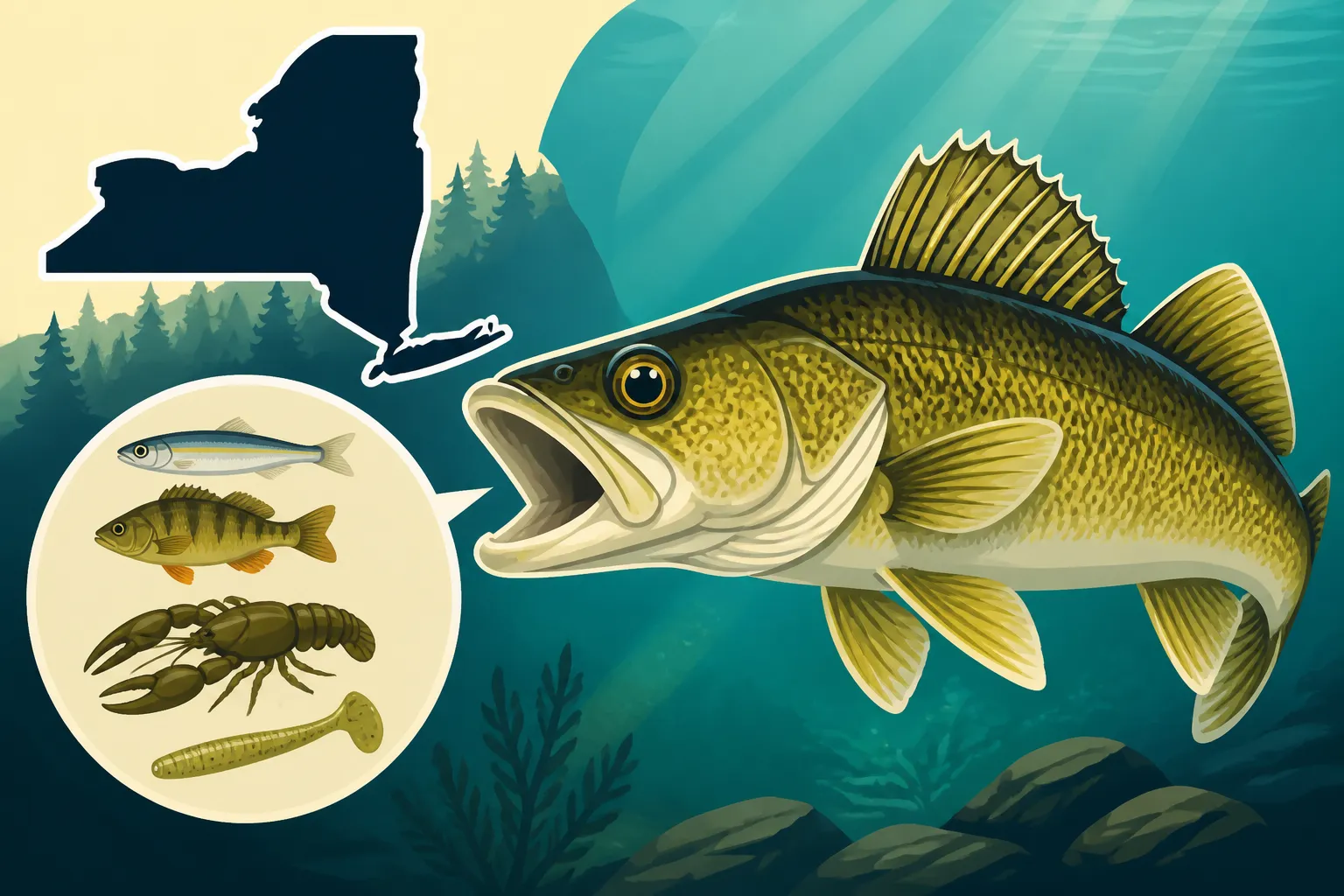
Without a doubt, other fish constitute the vast majority of a walleye's diet, especially for larger specimens. They are true piscivores, meaning "fish-eaters," and they're very good at it. The specific species of forage fish they target will vary widely depending on the body of water you're fishing in New York.
In the Great Lakes, like Lake Erie and Lake Ontario, walleye feed heavily on alewives, smelt, and yellow perch. Alewives, an invasive species, have become a dominant food source, offering abundant, oily meals. Smelt are another high-protein option, especially prevalent in colder waters. Yellow perch, a native species, are also a favorite, as walleye will readily prey on their smaller cousins. Anglers often find success mimicking these species with specific crankbaits or soft plastics. If you're fishing these waters, knowing the dominant baitfish can literally make or break your day. Fish Species Found in Lake Erie and Fish Species Found in Lake Ontario are rich sources of information if you want to delve deeper into the local ecosystem.
Moving to New York's Finger Lakes, such as Seneca or Oneida, the diet might shift slightly. Here, walleye still relish yellow perch and rainbow smelt, but they might also consume shiners (like golden shiners or spottail shiners) and gizzard shad. In some of the smaller, shallower lakes and reservoirs, minnows of all sorts become incredibly important. Darters, madtoms, and even juvenile panfish like bluegill or crappie can end up on a walleye's dinner plate when other options are scarce. Oneida Lake, famous for its walleye fishing, often sees walleye keying in on abundant shiner and yellow perch populations. Consider using a good fish finder, widely available on Amazon, to spot these baitfish schools and the walleye lurking beneath them.
A more recent development in some New York waters, particularly the Great Lakes and connected waterways, is the introduction of round gobies. While an invasive species and generally not a welcome addition to the ecosystem, walleye have adapted to prey on them, especially in deeper, rocky areas where gobies proliferate. This has even influenced lure design, with many popular walleye jigs and soft plastics now mimicking the goby's distinctive profile.
| Water Body Type | Primary Forage Fish | Secondary Forage Fish | Notes |
|---|---|---|---|
| Great Lakes | Alewives, Yellow Perch, Rainbow Smelt | Round Goby, Emerald Shiners | Alewives are a crucial high-fat food source. |
| Finger Lakes | Yellow Perch, Alewives, Rainbow Smelt, Shiners | Gizzard Shad, Darters | Specific species vary by lake; alewives are present in some. |
| Smaller Inland Lakes | Golden Shiners, Spottail Shiners, Yellow Perch | Juvenile Panfish (Bluegill, Crappie), Darters | Minnows are often key here due to lack of larger baitfish species. |
| Rivers (e.g., St. Lawrence) | Emerald Shiners, Spottail Shiners, Cisco, Suckers | Sculpins, Juvenile Perch | Current often concentrates baitfish, leading to predictable feeding. |
Invertebrates and Other Opportunistic Meals
While fish are the top choice, walleye are not above munching on other things, especially when they are smaller or when forage fish are scarce. These opportunistic meals can provide crucial calories and should not be overlooked by anglers.
Crayfish are a prime example. These freshwater crustaceans are abundant in many rocky, hard-bottomed areas across New York, which coincidentally are often prime walleye haunts. Walleye will readily consume crayfish, particularly during their molting periods when their shells are soft and easier to digest. Many successful walleye lures, especially jigs and soft plastics, are designed to imitate the scuttling action and profile of a crayfish.
Insects also make up a portion of a walleye's diet, particularly for younger fish. Larvae of various aquatic insects, like mayflies and caddisflies, can be a significant food source. During massive insect hatches, walleye might even be observed feeding on nymphs or emerging adults, though this is less common for larger fish. Nightcrawlers, a common live bait, are a type of earthworm that mimics natural invertebrate prey and is a highly effective bait for walleye, especially when drifted along the bottom. You can easily find tackle and live bait at local bait shops, or even specialized soft plastic imitations online on platforms like Amazon.
Leeches are another invertebrate that walleye will consume. They are particularly active at night and in low-light conditions, making them a natural target for nocturnal-feeding walleye. Many anglers swear by artificial leech imitations or live leeches when the bite is tough. These secondary food sources might not be the primary driver of walleye growth to trophy size, but they are important components of their diet and can sometimes be the key to getting a bite on a slow day.
Seasonal and Environmental Influences on Walleye Diet
Walleye aren't robots; their appetites and dietary choices shift with the seasons and environmental conditions. Understanding these changes is crucial for predicting their behavior and maximizing your angling success in New York.
Springtime Feasting: Post-Spawn Hunger
As the ice melts and water temperatures begin to rise in early spring, walleye move to their spawning grounds, typically rocky shoals in lakes or upstream river sections. After the arduous process of spawning, both male and female walleye are often ravenous. They need to replenish lost energy and will aggressively feed on readily available forage. This post-spawn period can offer some of the most consistent fishing of the year.
During this time, walleye often stay relatively shallow, especially in rivers or near spawning areas in lakes. They'll target whatever baitfish are most accessible. This might mean smaller minnows in stream systems or migrating baitfish moving into shallower bays in larger lakes. The water might still be quite cold, so their metabolism is slower, and they prefer easy, high-calorie meals that don't require too much effort to catch. They are less selective and more driven by sheer hunger. Keeping an eye on New York Walleye Season and Limits will ensure you're fishing legally during this productive time.
Summer Patterns: Deep Water and Thermoclines
As New York summers heat up, surface water temperatures climb, and walleye generally move to deeper, cooler areas. This is when the thermocline becomes incredibly important. The thermocline is a layer of water where the temperature changes rapidly with depth. Baitfish often congregate around this layer, as it provides a stable temperature and oxygen rich environment. Where the baitfish go, the walleye follow.
In many of New York's larger lakes, such as the Finger Lakes or Lake Erie, summer walleye can be found anywhere from 20 to 60 feet deep, sometimes even deeper. Their diet during this period is almost exclusively forage fish that thrive in these cooler depths, like emerald shiners, smelt, and even juvenile lake trout or ciscoes. Anglers targeting these deep-water walleye often employ trolling techniques with deep-diving crankbaits or planer boards to present baits at specific depths. Jigging spoons or blade baits vertically over schools of baitfish are also highly effective. Understanding how walleye relate to these thermal layers and baitfish schools is vital. Techniques like How to Troll Crankbaits for Walleye or How to Jig for Walleye become essential skills.
Fall and Winter Bulking Up
Autumn sees a reversal of the summer pattern. As water temperatures cool down, walleye become increasingly active, moving back into shallower waters, particularly during low-light conditions. This is a critical period for them to bulk up on fat reserves before winter, so they feed aggressively. They'll chase schools of baitfish that are also moving shallower as the lake "turns over" and oxygen levels become more uniform. In tributaries, the fall salmon and steelhead runs can also provide an opportunistic food source, as walleye will feed on loose eggs or crippled baitfish.
Once ice forms, walleye diet doesn't stop, though their activity slows. During the hardwater season, walleye still need to feed to maintain their energy. They often target yellow perch, minnows, and shiners that remain active under the ice. Their low-light vision gives them an advantage in the dim world beneath the ice, and they will cruise structure and edges, ambushing unsuspecting prey. Ice jigs tipped with minnows or plastics, and tip-ups rigged with live bait, are common tactics. Many ice anglers find great success in the first and last hours of daylight, or even after dark. How to Ice Fish for Walleye in New York delves into this in more detail. Finding reliable ice fishing gear, from augers to shelters, can be done efficiently by browsing options on Amazon.
Water Clarity and Structure Impact
The clarity of the water and the type of structure present in a given New York lake or river significantly influence what walleye eat and how they hunt. In clear water lakes, walleye tend to be even more light-sensitive, often feeding deepest during the day or coming shallow only at night or during very overcast conditions. Their prey in clear water might be more skittish, requiring a more subtle presentation.
In stained or turbid waters, walleye have a distinct advantage. Their excellent low-light vision allows them to hunt effectively even in murky conditions, which can disorient their prey. In such waters, they might feed shallower for longer periods during the day. This is where bright, noisy lures that create vibration can be particularly effective, as the walleye are relying less on sight and more on their lateral line system to detect prey. Consider the advice in Best Walleye Jig Colors for Stained Water if you find yourself fishing in less-than-clear conditions.
Bottom structure also concentrates different types of forage. Weed beds hold baitfish and invertebrates; rocky areas harbor crayfish and gobies; sandy flats might have schools of shiners. Knowing the dominant forage in each type of structure allows you to choose your location and presentation wisely.
Angler Implications: Using Diet Knowledge to Your Advantage
Knowing what walleye eat isn't just for academic interest; it's the bedrock of successful walleye fishing. The more closely you can mimic their natural prey in terms of size, shape, color, and action, the higher your chances of getting a strike.
Matching the Hatch (or the Baitfish)
The concept of "matching the hatch" isn't just for fly anglers; it's vital for walleye fishing too. If you can observe or research what the walleye in a particular New York waterway are primarily feeding on, you've got a massive advantage. For instance, if alewives are the dominant baitfish, choosing silver or blue-sided crankbaits or soft plastics that imitate an alewife's darting motion will be far more effective than, say, a bright green worm imitation.
Pay attention to the size of the forage too. Walleye prefer meals that aren't too large to swallow, yet substantial enough to be worth the effort. A general rule of thumb is that a walleye's mouth can handle prey up to about one-third to one-half the length of its head. This means a 20-inch walleye isn't typically going to chase a 10-inch fish, but a 4-6 inch baitfish would be perfect. This knowledge helps you select the right size of lure or live bait. If you're unsure, starting with medium-sized baits (around 3-5 inches) is often a safe bet. When experimenting with different lure styles and colors, you can find a vast selection of options, including specific forage imitators, on Amazon.
Live Bait vs. Artificial Lures
Both live bait and artificial lures have their place when targeting walleye, and their effectiveness is often tied to mimicking the natural diet.
Live Bait:
- Minnows: Perhaps the most classic and consistently effective walleye bait. Minnows, such as fatheads, shiners, or dace, are a natural part of a walleye's diet. Presented on a jig, under a float, or slow-trolled on a spinner rig, they often outperform artificials when fish are finicky.
- Nightcrawlers: Another walleye staple, particularly effective when fish are less aggressive or when there's an abundance of other invertebrate forage. They can be fished on a snell rig, a bottom bouncer, or tipped on a jig.
- Leeches: Popular in some regions, leeches are a fantastic bait, especially during warmer months. They're hardy and incredibly active, making them irresistible to hungry walleye.
Artificial Lures:
- Jigs: From traditional lead-head jigs to finesse jigs, these are incredibly versatile. Tipped with soft plastics (mimicking minnows, crayfish, or even gobies) or live bait, they can be worked along the bottom, vertically jigged, or cast and retrieved.
- Crankbaits: These are designed to imitate various baitfish and are excellent for covering water, especially when trolling. Different models dive to different depths, allowing you to target walleye at specific thermocline levels or over submerged structure.
- Spinnerbaits/Blade Baits: These create flash and vibration, mimicking distressed baitfish. They can be very effective in stained water or when walleye are actively chasing.
- Soft Plastics: Swimbaits, grub tails, paddle tails, and tubes can all be rigged to imitate forage fish or invertebrates. Their versatility in color, size, and action makes them a must-have in any walleye angler's tackle box.
The choice often comes down to conditions and fish mood. When walleye are aggressive, artificials can be more efficient for covering water and triggering reaction strikes. When they're sluggish or finicky, live bait's natural scent and action can be the decisive factor. Best Time to Fish for Walleye in New York will give you insights into when to favor which approach.
Understanding Local Forage
It cannot be stressed enough: local knowledge is king. Before you head out to a new New York lake or river, take some time to research its ecosystem. What are the predominant baitfish species? Are there crayfish? Are there significant insect hatches? The New York Department of Environmental Conservation (DEC) website is an excellent resource, often providing information on fish stocking and species present in various water bodies. You can also talk to local bait shop owners – they are often a treasure trove of information about current conditions and what the fish are biting on. Angler forums and fishing reports are another great way to gather recent intel.
By understanding what the walleye are naturally eating in that specific body of water at that specific time of year, you can dramatically narrow down your lure and bait choices, making your time on the water more productive and enjoyable. It transforms fishing from a guessing game into a strategic pursuit. And remember, observing what comes up in your boat – whether it's regurgitated baitfish from a hooked walleye or simply the local minnow population – can provide invaluable clues.
Disclaimer
This article is for general informational purposes only and does not constitute professional advice. Laws, prices and regulations vary by location and change over time. Consult a qualified professional for guidance on your specific situation.