New York State Record Smallmouth Bass Weight
Every angler who's ever cast a line in New York has probably dreamt about reeling in a fish that's truly a giant, a legendary catch that earns a place in the record books. Smallmouth bass, with their incredible fight and stunning acrobatics, are often at the top of that dream list. It's a thrill just to imagine hooking into one of these bronze bombers, let alone a state record! This guide will dive deep into the coveted New York State record for smallmouth bass, sharing the details of this magnificent catch and exploring what makes New York's waters so special for these powerful fish.
The Illustrious New York State Record Smallmouth Bass
There’s nothing quite like the awe inspired by a true trophy fish. For many, the smallmouth bass represents the pinnacle of freshwater angling excitement, offering a battle that few other species can match pound for pound. New York has a rich history of producing incredible fish, and its smallmouth population is certainly no exception.
Unveiling the Record Holder
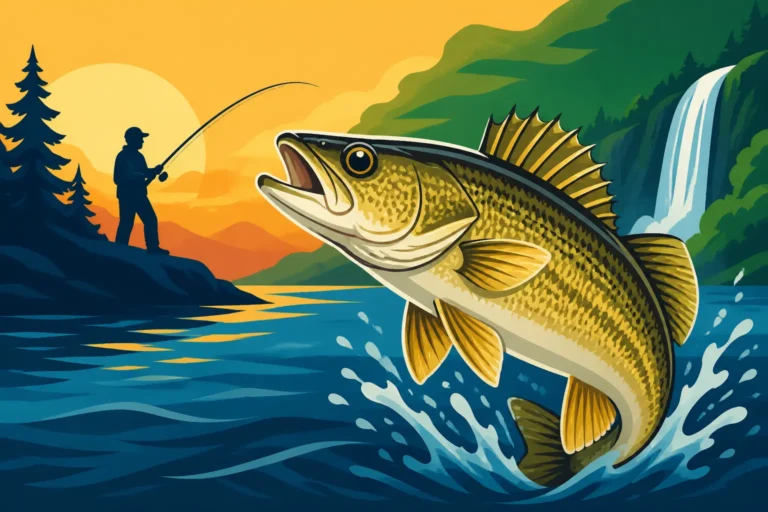
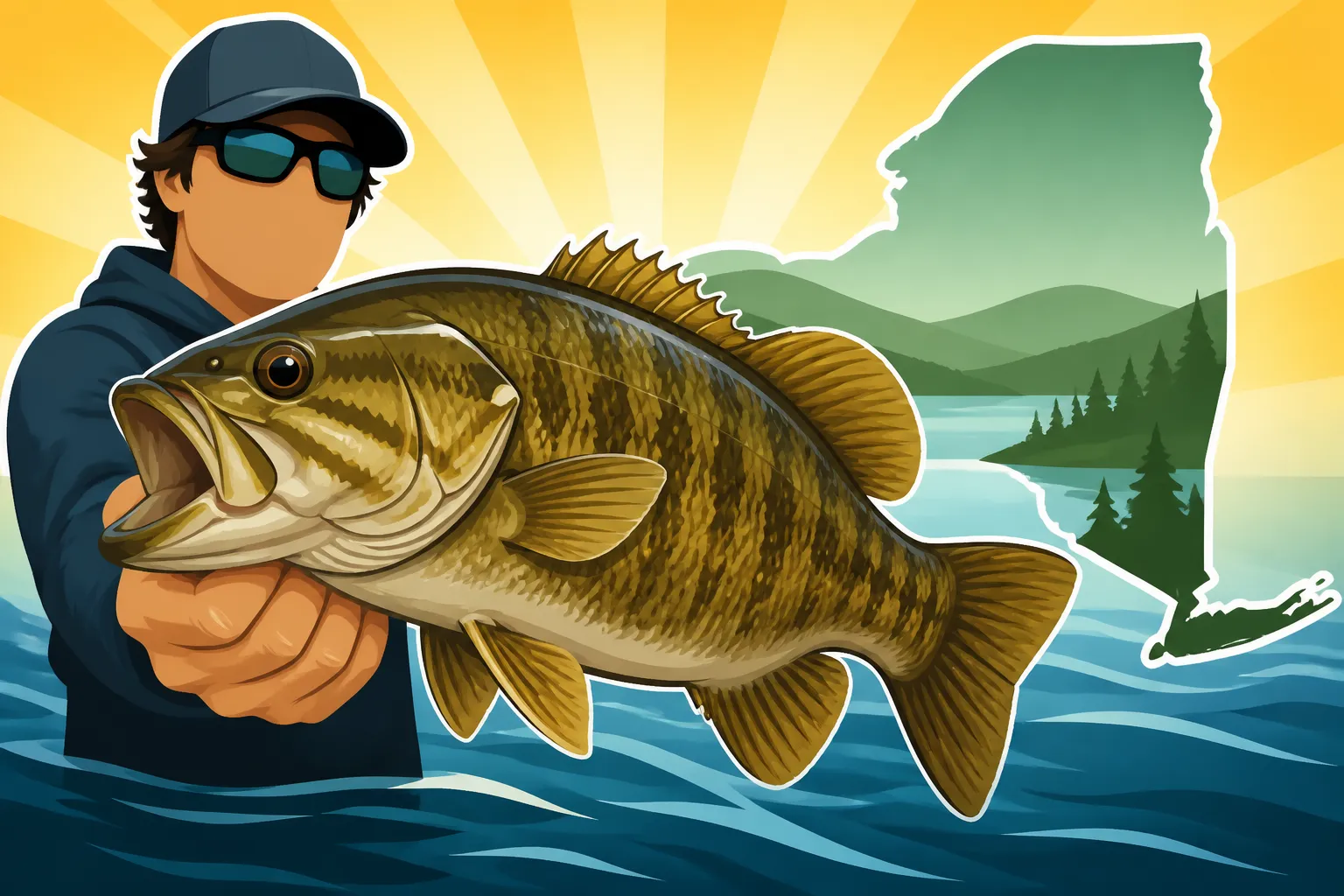
Let's get right to it: the New York State record smallmouth bass is a truly magnificent specimen. This incredible fish weighed in at a whopping 8 pounds, 4 ounces, a testament to the thriving fisheries we have here in the Empire State. It was caught by David L. Hayes, way back in 1995. The remarkable part? This record-setting smallmouth was caught in none other than Lake Erie. Think about that for a moment – over eight pounds of pure, bronze-backed muscle, pulled from the depths of one of our Great Lakes. It's a catch that inspires tales around campfires and drives countless anglers to try their luck in those very same waters.
The significance of such a catch goes beyond just the numbers on a scale. It speaks to the health of the ecosystem, the abundance of forage, and the potential for any angler, on any given day, to make history. David's catch wasn't just a big fish; it was a snapshot of what New York's waters are capable of producing when conditions are just right. It's a record that has stood the test of time, a benchmark for every aspiring smallmouth enthusiast.
The Pursuit of a Trophy Smallmouth
Catching a record-breaking fish, or even just a personal best that feels like a record, isn't usually an accident. It's often the culmination of countless hours on the water, meticulous planning, and a deep understanding of the fish you're targeting. Anglers who consistently land larger smallmouth bass typically share a few key traits: immense patience, an observant eye for subtle environmental clues, and a willingness to experiment with different techniques. They study water temperatures, understand baitfish movements, and become intimately familiar with the structure and cover that trophy smallmouth prefer.
The pursuit of a smallmouth of this caliber often involves specialized tactics and gear, but more than that, it requires a mindset of dedication. It's about knowing when to be subtle with a finesse presentation and when to aggressively burn a crankbait. It's about learning the seasonal migrations, understanding how weather fronts impact feeding behaviors, and having the perseverance to keep casting even when the bites aren't coming easy. Many anglers spend decades trying to catch a fish that even approaches the 8-pound mark, making David Hayes' achievement all the more impressive. It's a reminder that truly monumental catches are within reach for those who put in the time and effort.
What Makes New York Prime Smallmouth Territory?
New York isn't just a state with beautiful scenery; it's a genuine angler's paradise, especially if you're passionate about smallmouth bass. The sheer diversity and quality of our waters create an ideal environment for these feisty fish to thrive and grow to impressive sizes.
Habitat and Environment for Giants
What exactly is it about New York's lakes and rivers that fosters such formidable smallmouth bass? A significant factor is the incredible variety of habitats available. Smallmouth bass, unlike their largemouth cousins, tend to prefer clearer, cooler waters with rocky bottoms, gravel shoals, and plenty of deep-water structure. They are ambush predators that love to hide among boulders, submerged timber, or along sharp drop-offs, waiting for an unsuspecting meal to swim by. New York has an abundance of these prime locations.
Our deeper, oligotrophic lakes (those with low nutrient levels and high oxygen) and major rivers provide the perfect conditions. These waters often boast extensive rocky substrates and complex underwater topography, offering smallmouth bass both ideal spawning grounds and excellent ambush points. Furthermore, the forage base in many of these waters is incredibly rich. Everything from emerald shiners, alewives, and gobies to crayfish provides a high-protein diet that allows smallmouth to grow quickly and reach substantial weights. This abundance of food, combined with clear, oxygenated water and ample cover, creates the perfect recipe for growing trophy-sized smallmouth. The Fish Species Found in the Finger Lakes are a testament to the diverse ecosystems at play.
Key Waterbodies for Trophy Smallmouth
When you talk about trophy smallmouth in New York, a few names immediately jump to mind. These are the legendary fisheries that consistently produce incredible numbers of big bass, and where the next state record might just be lurking.
-
Lake Erie: As the home of the current state record, Lake Erie stands out as a world-class smallmouth fishery. Its vast expanse, rocky shoals, and abundant baitfish populations create an unparalleled environment. Anglers targeting Erie often focus on offshore reefs and rock piles, particularly during the warmer months when the smallmouth move to deeper, cooler waters. The sheer size of the lake means there's always new water to explore, and the potential for a true behemoth is ever-present. If you're looking for Best Fishing Spots on Lake Erie, you won't be disappointed by the options.
-
St. Lawrence River: Flowing out of Lake Ontario, the St. Lawrence River is a bona fide smallmouth factory. Its clear, cool waters, dotted with islands, rocky points, and submerged structure, are ideal. Many consider it one of the top smallmouth bass fisheries in the entire country, and it consistently produces fish in the 5-7 pound range, with larger ones not uncommon. The current catch-and-release world record smallmouth was actually caught right here on the St. Lawrence, highlighting its incredible potential. For more on this incredible waterbody, check out New York's St. Lawrence River Fishing Guide.
-
Finger Lakes: This chain of eleven long, narrow lakes in west-central New York offers a diverse range of smallmouth opportunities. Lakes like Cayuga, Seneca, and Keuka, with their deep, clear waters and steep drop-offs, are particularly renowned for their quality smallmouth fishing. These lakes offer a different challenge than the Great Lakes, often requiring more precise presentations and an understanding of vertical fishing techniques. They truly are some of the Best Smallmouth Bass Lakes in New York.
-
Lake Ontario: While often celebrated for its salmon and trout, the shallower eastern basin and various bays of Lake Ontario also hold exceptional smallmouth bass populations. The rocky structure and abundant forage, especially in areas like Chaumont Bay or Henderson Harbor, provide fantastic opportunities for anglers seeking big smallmouth.
These waters, among others, consistently provide the ideal blend of habitat, forage, and water quality necessary for smallmouth bass to not only survive but to thrive and grow to truly monumental sizes.
Tactics and Gear for Catching Big Smallmouth Bass
Landing a trophy smallmouth isn't just about being in the right place; it's also about using the right techniques and having confidence in your equipment. These fish are known for their strong fights and explosive runs, so being prepared is key.
Proven Techniques for Trophy Hunters
Smallmouth bass are incredibly responsive to a variety of presentations, but when you're targeting bigger fish, some techniques tend to shine brighter than others. It often comes down to presenting a substantial meal in a natural way, or provoking an aggressive strike.
-
Drop-Shotting: This finesse technique is a go-to for many seasoned smallmouth anglers, especially in clear water or when fish are deep and pressured. By tying your hook directly to the main line (or a leader) and attaching a weight below it, your bait suspends horizontally, perfectly mimicking a baitfish or a subtle crayfish. This allows you to impart minimal action to the bait, keeping it in the strike zone longer. It's incredibly effective when smallmouth are hugging bottom structure and can be finicky.
-
Tube Jigs: There's something undeniably effective about a tube jig for smallmouth. Whether you're dragging it along the bottom, hopping it, or swimming it, the soft plastic tube with its subtle tentacles perfectly imitates a crayfish or injured baitfish. Rigged internally with a lead head, they sink quickly and can be worked through rocky cover with surprising ease. Many record-class smallmouth have fallen victim to a simple tube jig. To learn more about this staple, check out How to Fish a Tube Jig for Smallmouth Bass.
-
Crankbaits and Jerkbaits: When smallmouth are aggressive and feeding actively, hard baits like crankbaits and jerkbaits can be absolute killers. Deep-diving crankbaits are excellent for covering water and targeting fish relating to deeper structure or suspended over submerged humps. Jerkbaits, with their erratic darting action, are fantastic for eliciting reaction strikes, especially in cooler water. The sudden stop-and-go motion often triggers even wary fish to commit. For tips on a particularly effective hard bait, read How to Fish a Jerkbait for Smallmouth Bass.
-
Swimbaits: Larger soft plastic swimbaits, either rigged on a jig head or with an internal weighted hook, are fantastic for imitating larger baitfish that trophy smallmouth feed on. These baits have a natural swimming action that can entice a big bass looking for a substantial meal. Slow-rolling them along rock walls or over deep grass beds can be incredibly productive.
Essential Gear for Success
Having the right tools for the job can make all the difference, particularly when you hook into an 8-pound smallmouth that's determined to break free.
- Rods: For versatility, a medium-heavy spinning rod (6'6" to 7'2") is excellent for drop-shotting, tubes, and lighter jigs. For heavier crankbaits, swimbaits, or fishing in current, a medium-heavy casting rod will provide more power and control. The sensitivity of a good graphite rod is paramount for feeling those subtle smallmouth bites.
- Reels: Pair your spinning rod with a reliable 2500-3000 series spinning reel, and your casting rod with a smooth baitcasting reel with a good drag system. A smooth drag is essential for tiring out powerful smallmouth without breaking your line.
- Line: Fluorocarbon line, ranging from 8-12 lb test, is a popular choice for smallmouth because of its low visibility, sensitivity, and abrasion resistance. A good quality braided line (15-20 lb) with a fluorocarbon leader is also a fantastic option, offering even greater sensitivity and casting distance.
- Lures & Baits: Beyond the techniques mentioned, having a selection of colors is crucial. Natural baitfish colors like silver, shad, and white are always good, along with crayfish patterns in greens, browns, and oranges. Don't be afraid to carry a variety of sizes as well. When it comes to stocking up on these essentials, you'll find a massive selection of high-quality fishing line, rods, reels, and artificial lures on platforms like Amazon, making it easy to get exactly what you need delivered right to your door before your next big trip. It's always a good idea to refresh your tackle box with new hooks and leaders regularly.
Understanding Seasonal Patterns
Smallmouth bass are creatures of habit, and understanding their seasonal movements and feeding patterns is crucial for consistent success, especially when aiming for larger fish.
- Early Spring (Pre-Spawn): As ice melts and water temperatures begin to rise into the 40s and low 50s, smallmouth move from their deep wintering holes to shallower staging areas. They'll be looking for rocky points, humps, and flats adjacent to deeper water. This is an excellent time for jerkbaits, blade baits, and slow-rolling swimbaits as they feed aggressively to build energy for the spawn.
- Late Spring/Early Summer (Spawn): When water temperatures hit the mid-50s to low 60s, smallmouth move onto shallow spawning beds. Males guard the nests, and while it's tempting to target them, practicing catch-and-release is especially important during this vulnerable time to protect future generations of trophy fish.
- Summer (Post-Spawn/Deep Water): After the spawn, smallmouth move to deeper, cooler water. They'll often be found relating to deep rock piles, ledges, humps, and submerged timber, typically in 20-40+ feet of water in larger lakes. Drop-shotting, deep-diving crankbaits, and vertical jigging become incredibly effective. They're still active, but you have to find them.
- Fall (Feeding Frenzy): As water temperatures cool down in autumn, smallmouth begin to feed heavily, gorging themselves in preparation for winter. They often move shallower again, chasing baitfish in bays and along rocky shorelines. This is a fantastic time for crankbaits, spinnerbaits, and tube jigs, as they are often very aggressive. Check out Best Time to Fish for Bass in New York for more seasonal insights.
Knowing where the fish are likely to be throughout the year based on these patterns will significantly increase your chances of finding and catching those elusive bigger smallmouth.
The Conservation and Future of New York's Smallmouth Bass
As anglers, we have a profound responsibility to protect the incredible fisheries that provide us with so much joy and challenge. The future of New York's smallmouth bass, especially the potential for new record-breakers, lies squarely in our hands through responsible angling practices and adherence to regulations.
Practicing Responsible Angling
Catching a truly massive smallmouth bass is an unforgettable experience, and for many, the goal isn't to take it home for dinner, but to preserve the opportunity for others to experience a similar thrill. This is where responsible angling, particularly catch-and-release, becomes paramount. Trophy smallmouth are often older, larger fish that have successfully spawned multiple times, contributing significantly to the population's genetics and overall health. Releasing them ensures they can continue to do so.
When practicing catch-and-release with large fish, minimizing stress and handling time is critical. Use proper techniques to land the fish quickly, avoid dragging it onto rough surfaces, and keep it in the water as much as possible. If you need a photo, get it done swiftly and carefully support the fish horizontally. Proper tools, like a good quality pair of pliers for hook removal, are also key. Always moisten your hands before handling the fish to protect its slime coat, which is vital for its immune system. For more detailed guidance, see Catch-and-Release Handling Rules. Choosing barbless hooks or crushing the barbs on your hooks can also make removal easier and reduce harm to the fish. Ultimately, our actions today determine the quality of fishing for tomorrow.
Regulations and Limits
New York State has a comprehensive set of fishing regulations designed to protect fish populations and ensure sustainable angling for generations to come. These rules are not arbitrary; they are based on scientific data and aim to manage fish stocks effectively, especially for prized species like smallmouth bass. It's every angler's responsibility to understand and abide by these regulations.
The New York State Department of Environmental Conservation (DEC) publishes detailed New York Freshwater Fishing Rules annually, which cover everything from season dates and minimum size limits to daily creel limits. These can vary significantly by waterbody, so always double-check the specific rules for where you plan to fish. For smallmouth bass, pay close attention to the New York Bass Season Dates and the Bass Daily Limit and Minimum Size in New York. These regulations help ensure that enough fish are left to reproduce and that the population remains healthy, allowing those giants to grow. Ignorance of the rules is never an excuse, and fines for violations can be steep. Accessing the DEC's online resources or picking up a physical copy of the regulations at a local tackle shop is a simple yet crucial step before heading out on the water.
Notable New York Smallmouth Bass Waters and Their Characteristics
| Waterbody | Key Characteristics | Primary Forage | Best Seasons for Trophy Fish | Common Depths for Smallmouth |
|---|---|---|---|---|
| Lake Erie | Vast, clear, rocky shoals, offshore reefs, deep drop-offs | Emerald shiners, gobies, alewives, crayfish | Summer, Fall | 15-50+ feet |
| St. Lawrence River | Clear, flowing, diverse islands, rock piles, current breaks | Perch, gobies, crayfish, shiners | Spring, Fall | 5-40 feet |
| Finger Lakes | Deep, clear, steep drop-offs, shale beds, cool temperatures | Alewives, smelt, crayfish, sculpins | Summer, Fall | 10-60+ feet |
| Lake Ontario | Clear, rocky eastern basin, varied structure, strong currents | Alewives, gobies, smelt | Summer, Fall | 10-40 feet |
| Lake George | Clear, rocky, deep structure, abundant baitfish | Lake herring, perch, crayfish | Spring, Summer | 15-50 feet |
The quest for a truly monstrous smallmouth bass in New York is an incredible journey, one that combines skill, patience, and a deep appreciation for our state's phenomenal natural resources. The current state record of 8 pounds, 4 ounces from Lake Erie stands as a testament to the immense potential that our waters hold. Whether you're chasing that elusive record, a new personal best, or simply the thrill of the fight, New York's diverse lakes and rivers offer unparalleled opportunities. Remember to fish responsibly, respect the regulations, and most importantly, enjoy every moment out on the water. Who knows, the next cast might just be the one that makes history.
Disclaimer
This article is for general informational purposes only and does not constitute professional advice. Laws, prices and regulations vary by location and change over time. Consult a qualified professional for guidance on your specific situation.